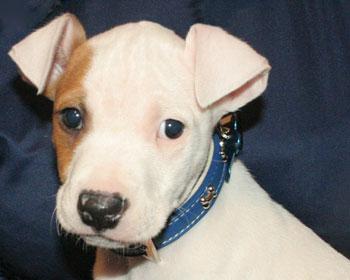
Staffordshire Bull Terrier
The original 'nanny dog' — muscular, endlessly affectionate, especially with kids.
Traits at a glance
Cost calculator
Training tips for a Staffordshire Bull Terrier
Practical, breed-specific advice tuned to a Staffordshire Bull Terrier's temperament, energy and trainability.
House-Training Consistency
Staffies are clever and respond well to routine—take them out after meals, play, and sleep, then mark the moment they toilet outside with enthusiastic praise and a game. If you catch an accident inside, interrupt with a firm verbal 'no', then immediately take them out to finish and reward the correct location.
Early Dog Socialisation
Their terrier heritage means dog-dog reactivity can emerge at maturity, so expose your Staffie to calm, well-mannered dogs from puppyhood and correct any fixation, lunging, or over-arousal early with a well-timed leash check and redirect to you. Reward calm, loose-leash behaviour around other dogs generously to build the right habit.
Structured Physical Outlet
Channel their high energy into daily vigorous walks, flirt-pole sessions, or tug games with clear start and stop rules to prevent overarousal. Pair physical work with scent games or puzzle feeders to satisfy their clever, problem-solving mind and prevent boredom destruction.
Managing Tenacity
Staffies can become stubbornly fixated on prey, toys, or tasks—teach a reliable 'leave it' and recall by rewarding compliance, but also using calm, non-negotiable guidance (leash pressure or body blocking) when they ignore you. Consistency and clear boundaries prevent their bravery from turning into bulldozer behaviour.
Clear Leadership
This loyal, people-focused breed thrives when you set calm, consistent rules and follow through every time—reward desired behaviour enthusiastically and correct unwanted behaviour the moment it happens. Their trainability and eagerness to please mean they learn fast when consequences (good and bad) are immediate and fair.
Training guides for a Staffordshire Bull Terrier
Expert-written guides picked for a Staffordshire Bull Terrier's temperament and needs.
How dogs actually learn: the four quadrants explained
Positive reinforcement, negative reinforcement, and everything in between — a clear, honest look at operant conditioning and when each tool is the right call.
Building a rock-solid recall
A reliable come-when-called can save your dog's life. Here's how to build one that holds up around real distractions.
Loose-lead walking: stop the pulling for good
Why your dog pulls, and a step-by-step plan using clear reinforcement to build a relaxed, no-tension walk.
Health & nutrition for a Staffordshire Bull Terrier
What to watch for, how to feed, and how to keep a Staffordshire Bull Terrier in top shape — tuned to this breed's size and build.
Common health concerns
- •Staffordshire Bull Terriers are genetically prone to hip dysplasia and elbow dysplasia, so watch for limping, stiffness, or reluctance to jump as early warning signs.
- •Hereditary cataracts and other eye conditions like PHPV occur in the breed, requiring regular veterinary eye examinations to catch early changes in vision.
- •Skin allergies and atopic dermatitis are common, often triggered by environmental allergens or poor-quality processed foods, manifesting as itching, hot spots, or ear infections.
- •L-2-hydroxyglutaric aciduria (L-2-HGA), a metabolic disorder causing seizures and dementia, occurs in Staffies and can be detected through genetic testing.
Feeding & nutrition
- •Feed a biologically-appropriate raw diet with 2-3% of body weight daily (approximately 0.5-1 lb for a 24-38 lb Staffie), consisting of 70-80% raw muscle meat (beef, lamb, chicken), 10% raw meaty bones (chicken necks, wings), and 5-10% organ meat (liver, kidney) to support their muscular build and reduce allergy triggers.
- •Raw feeding is especially beneficial for Staffies prone to skin allergies, as species-appropriate whole foods eliminate common kibble allergens, fillers, and inflammatory processed ingredients that exacerbate itching and digestive issues.
- •Their powerful jaws thrive on recreational raw bones like beef knuckles or marrow bones for dental health and mental stimulation, which also helps prevent boredom-related destructive behaviour.
- •If raw feeding isn't immediately feasible, choose a high-protein, grain-free kibble as a temporary measure, but transition to raw as soon as possible to optimise joint health, coat condition, and energy levels for this athletic breed.
Exercise & weight
- •Staffordshire Bull Terriers require 60-90 minutes of vigorous daily exercise including brisk walks, running, and interactive play to match their high energy and prevent obesity that stresses joints.
- •Incorporate strength-building activities like tug-of-war, flirt pole work, and agility training to maintain their muscular physique and provide mental stimulation for their clever, working terrier mind.
- •Avoid repetitive high-impact jumping or excessive stair climbing in dogs under 18 months to protect developing hips and elbows from dysplasia risk.
- •Provide consistent daily exercise regardless of weather, as under-exercised Staffies become frustrated and may develop destructive behaviours or weight gain that compounds joint problems.
Educational guidance only — not veterinary advice. Always consult a licensed vet for your dog's specific health needs.
Ready to meet a Staffordshire Bull Terrier?
Search animal shelters and rescues across Australia — and consider bringing a certified trainer to your first meet-and-greet.