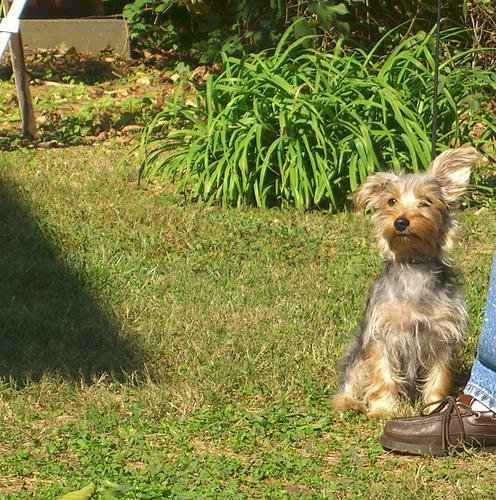
Silky Terrier
Aussie companion breed bred from Yorkshire + Australian Terrier. Silky long coat needs weekly brushing. Small package with terrier attitude.
Traits at a glance
Cost calculator
Training tips for a Silky Terrier
Practical, breed-specific advice tuned to a Silky Terrier's temperament, energy and trainability.
House-Training Consistency
Establish a strict schedule with frequent outdoor trips (every 2-3 hours initially), and immediately interrupt any indoor attempts with a firm "no" before redirecting outside. Praise calmly once they toilet in the correct spot, as small bladders and terrier independence require both clear boundaries and consistency.
Early Socialisation Priority
Expose your Silky to diverse people, dogs, and environments from 8 weeks, but don't coddle or pick them up if they react—calmly redirect their attention and only allow interaction when they're calm. Their alert terrier nature can escalate to yappy defensiveness without early, matter-of-fact exposure.
Exercise Plus Problem-Solving
Combine daily 20-30 minute walks with food puzzles or scent games at home to satisfy both physical and mental needs. A bored Silky will bark, dig, or become demanding, so rotate novel challenges weekly to keep that quick terrier mind engaged.
Managing Bossy Behaviour
Watch for resource guarding and pushy demands—immediately remove access (food bowl, toy, or your attention) the moment they growl or nip, then calmly reintroduce once settled. Silkies can develop "small dog syndrome" if you permit behaviour you wouldn't tolerate in a larger breed.
Calm, Fair Leadership
Use clear verbal markers and well-timed consequences (a brief leash check for pulling, withdrawal of attention for jumping) paired with calm praise when they comply. Their confident, quick temperament responds best to handlers who are consistent, unemotional, and quietly authoritative rather than overly effusive.
Training guides for a Silky Terrier
Expert-written guides picked for a Silky Terrier's temperament and needs.
Health & nutrition for a Silky Terrier
What to watch for, how to feed, and how to keep a Silky Terrier in top shape — tuned to this breed's size and build.
Common health concerns
- •Silky Terriers are genetically prone to patellar luxation (slipping kneecaps), so watch for limping, skipping steps, or sudden hind leg lameness.
- •This breed commonly develops tracheal collapse due to their small size, indicated by a honking cough, gagging, or breathing difficulties during excitement or exercise.
- •Dental disease occurs frequently in toy breeds like Silkies; monitor for bad breath, red gums, or difficulty eating, and provide raw meaty bones for natural teeth cleaning.
- •Legg-Calvé-Perthes disease (hip joint degeneration) can affect Silky Terriers, presenting as hind leg pain or limping in young dogs aged 4-12 months.
Feeding & nutrition
- •Feed a biologically-appropriate raw diet consisting of 2-3% of body weight daily (roughly 3-5 ounces for an 8-11 lb Silky), divided into two meals of raw muscle meat, edible bones, and organ meats.
- •Include raw chicken necks, wing tips, or quail for dental health and natural teeth cleaning, which is crucial for toy breeds prone to dental disease.
- •Incorporate 10% organ meat (half liver, half other organs like kidney) and 10-15% edible bone with 75-80% muscle meat for complete nutrition tailored to their active terrier metabolism.
- •If convenience absolutely demands it, choose a high-quality grain-free kibble at roughly ¼ to ½ cup daily, though this lacks the enzymes, moisture, and dental benefits of raw food.
Exercise & weight
- •Provide 30-40 minutes of daily exercise split between brisk walks and active play to satisfy their terrier energy without overworking their small frame.
- •Include mental stimulation through puzzle toys, scent games, or short training sessions, as Silky Terriers are quick-minded and prone to boredom-related behaviors.
- •Avoid excessive jumping or high-impact activities that stress fragile knees and hips, focusing instead on controlled leash walks and low-level agility or fetch games.
- •Monitor weight closely as even one excess pound on an 8-11 lb frame significantly increases stress on joints prone to patellar luxation.
Educational guidance only — not veterinary advice. Always consult a licensed vet for your dog's specific health needs.
Ready to meet a Silky Terrier?
Search animal shelters and rescues across Australia — and consider bringing a certified trainer to your first meet-and-greet.