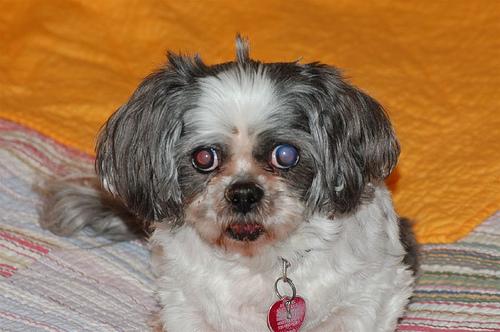
Shih Tzu
Regal little lap dog bred purely to be a companion — perfect apartment pup.
Traits at a glance
Cost calculator
Training tips for a Shih Tzu
Practical, breed-specific advice tuned to a Shih Tzu's temperament, energy and trainability.
House-Training Consistency
Take your Shih Tzu outside every 2 hours and immediately after meals, using a verbal marker when they toilet in the right spot. If you catch an accident in progress, interrupt with a firm verbal 'no' and quickly move them outside to finish, then praise calmly—small bladders mean zero tolerance for inconsistency.
Early Social Confidence
Expose your Shih Tzu to different people, dogs, and environments between 8-16 weeks to prevent the breed's tendency toward suspicious or standoffish behaviour with strangers. Keep sessions short and upbeat, gently guiding them through hesitation rather than coddling fear.
Low-Key Exercise Needs
Two 15-minute walks plus indoor play or puzzle feeders daily will satisfy this breed's modest energy—they're companion dogs, not athletes. Rotate interactive toys and short training games to keep their clever minds engaged without overwhelming them.
Managing Stubborn Streaks
Shih Tzus can ignore commands they find inconvenient, so establish clear boundaries early by calmly enforcing your cues with gentle leash guidance or body blocking when needed. Consistency and calm persistence beat their selective hearing better than treats alone.
Gentle but Clear
This sensitive, people-oriented breed responds best to a calm, matter-of-fact approach—use your voice tone and body language to communicate approval or correction without drama. They want to please you but need crystal-clear expectations, so be fair, patient, and always follow through.
Training guides for a Shih Tzu
Expert-written guides picked for a Shih Tzu's temperament and needs.
Health & nutrition for a Shih Tzu
What to watch for, how to feed, and how to keep a Shih Tzu in top shape — tuned to this breed's size and build.
Common health concerns
- •Shih Tzus are prone to brachycephalic airway syndrome due to their flat faces, so watch for noisy breathing, snoring, or exercise intolerance that worsens in heat.
- •This breed commonly develops eye problems including corneal ulcers, dry eye, and progressive retinal atrophy, so monitor for excessive tearing, redness, or cloudy eyes.
- •Dental disease is extremely common in Shih Tzus due to their small mouths and crowded teeth, making raw meaty bones essential for natural teeth cleaning.
- •Hip dysplasia and patellar luxation (slipping kneecaps) can occur, so watch for limping, reluctance to jump, or abnormal gait and maintain a lean body weight.
Feeding & nutrition
- •Feed a biologically-appropriate raw diet with 2-3% of body weight daily (roughly 3-7 ounces for a 9-16 lb Shih Tzu), including 70-80% raw muscle meat like chicken, turkey, or kangaroo, 10% raw meaty bones such as chicken necks or wings for dental health, and 5-10% organ meat with half being liver.
- •Raw meaty bones are especially critical for Shih Tzus to naturally scrape plaque and prevent the severe dental disease this breed is predisposed to, unlike kibble which contributes to tartar buildup.
- •Divide daily raw portions into two meals to prevent hypoglycemia in these small dogs, and ensure bones are appropriately sized (chicken necks, wing tips) to match their tiny jaws.
- •If absolute convenience requires kibble as a fallback, choose a high-quality, grain-free small-breed formula and feed approximately ½ to 1 cup daily, though this offers none of the dental or enzymatic benefits of raw food.
Exercise & weight
- •Shih Tzus need 20-30 minutes of daily exercise split into shorter sessions, such as two 10-15 minute walks, to accommodate their moderate energy and brachycephalic limitations.
- •Avoid exercising during hot or humid weather as their flat faces make them extremely vulnerable to heatstroke and breathing difficulties.
- •Incorporate gentle indoor play sessions and short outdoor exploring to satisfy their playful nature while preventing obesity, which exacerbates respiratory and joint problems.
- •Keep exercise low-impact and avoid excessive jumping or stairs to protect their knees and hips from luxation and dysplasia.
Educational guidance only — not veterinary advice. Always consult a licensed vet for your dog's specific health needs.
Ready to meet a Shih Tzu?
Search animal shelters and rescues across Australia — and consider bringing a certified trainer to your first meet-and-greet.