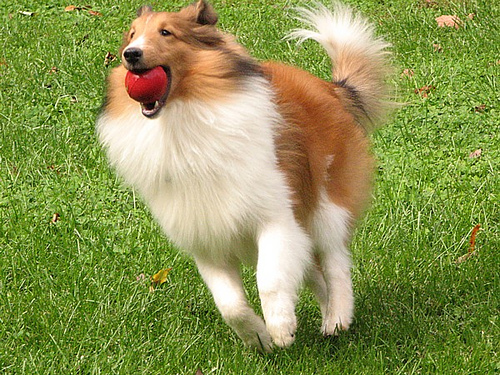
Shetland Sheepdog
Miniature collie with a huge brain — trainable, vocal, and desperate to please.
Traits at a glance
Cost calculator
Training tips for a Shetland Sheepdog
Practical, breed-specific advice tuned to a Shetland Sheepdog's temperament, energy and trainability.
House-Training Consistency
Establish a strict schedule with toilet breaks after meals, play, and waking; interrupt accidents with a calm 'no' and immediately guide outside, then mark success with verbal praise and play when they finish in the right spot.
Early Socialisation Priority
Expose your Sheltie to varied people, dogs, and environments before 16 weeks to prevent shyness and reactivity, rewarding calm behaviour and calmly removing them if overwhelmed to build confidence without coddling fear.
Mental Work Daily
Combine physical exercise with scent work, trick training, or puzzle toys for at least 45 minutes daily; a bored Sheltie will create their own job, usually involving excessive barking or neurotic behaviours.
Managing Vocal Habits
Teach a 'quiet' command by waiting for silence after barking, marking the moment, then rewarding; for persistent alert barking, use a calm verbal correction or brief time-out to teach barking has consequences while reinforcing silence heavily.
Harness Their Eagerness
Use their intense desire to please by setting clear, consistent boundaries with immediate feedback—mark correct choices enthusiastically and use calm, firm corrections for unwanted behaviour so they learn quickly what earns your approval.
Training guides for a Shetland Sheepdog
Expert-written guides picked for a Shetland Sheepdog's temperament and needs.
How dogs actually learn: the four quadrants explained
Positive reinforcement, negative reinforcement, and everything in between — a clear, honest look at operant conditioning and when each tool is the right call.
Building a rock-solid recall
A reliable come-when-called can save your dog's life. Here's how to build one that holds up around real distractions.
Loose-lead walking: stop the pulling for good
Why your dog pulls, and a step-by-step plan using clear reinforcement to build a relaxed, no-tension walk.
Health & nutrition for a Shetland Sheepdog
What to watch for, how to feed, and how to keep a Shetland Sheepdog in top shape — tuned to this breed's size and build.
Common health concerns
- •Shetland Sheepdogs are genetically prone to hip dysplasia and luxating patellas, so watch for limping, reluctance to jump, or difficulty rising after rest.
- •This breed commonly develops Collie Eye Anomaly (CEA) and progressive retinal atrophy (PRA), requiring regular veterinary eye examinations to monitor vision health.
- •Shelties can suffer from hypothyroidism causing weight gain, lethargy, and coat changes, so monitor energy levels and skin condition closely.
- •Von Willebrand's disease (a bleeding disorder) occurs in this breed, making it important to inform your vet before any surgery or dental procedures.
Feeding & nutrition
- •Feed your Sheltie a biologically-appropriate raw diet consisting of 2-3% of body weight daily (roughly 300-500g for a 15-25 lb dog), emphasizing raw muscle meat like chicken, lamb, or beef with raw meaty bones such as chicken necks or wings for dental health and joint support.
- •Include 10-15% organ meat (liver, kidney, heart) in their raw meals to provide essential vitamins and minerals that support thyroid function and eye health, which are critical for this breed's genetic vulnerabilities.
- •Raw feeding helps maintain the Sheltie's lean, athletic build and supports joint health naturally through bioavailable nutrients, reducing inflammation compared to processed carbohydrate-heavy kibble.
- •If convenience absolutely requires kibble, choose a high-protein, grain-free formula and feed approximately 3/4 to 1.5 cups daily split into two meals, though this remains a nutritionally inferior option to species-appropriate raw food.
Exercise & weight
- •Shetland Sheepdogs require at least 60 minutes of vigorous daily exercise including brisk walks, off-leash running, and herding-style activities to satisfy their high energy and working instincts.
- •Incorporate mental stimulation through agility training, obedience work, or puzzle games daily, as this intelligent breed needs brain work to prevent boredom and destructive behaviours.
- •Provide opportunities for structured play like fetch or frisbee to build cardiovascular fitness while protecting joints from excessive repetitive jumping during growth phases.
- •Regular exercise prevents obesity which exacerbates hip dysplasia and patellar issues common in the breed, keeping your Sheltie at optimal lean body condition.
Educational guidance only — not veterinary advice. Always consult a licensed vet for your dog's specific health needs.
Ready to meet a Shetland Sheepdog?
Search animal shelters and rescues across Australia — and consider bringing a certified trainer to your first meet-and-greet.