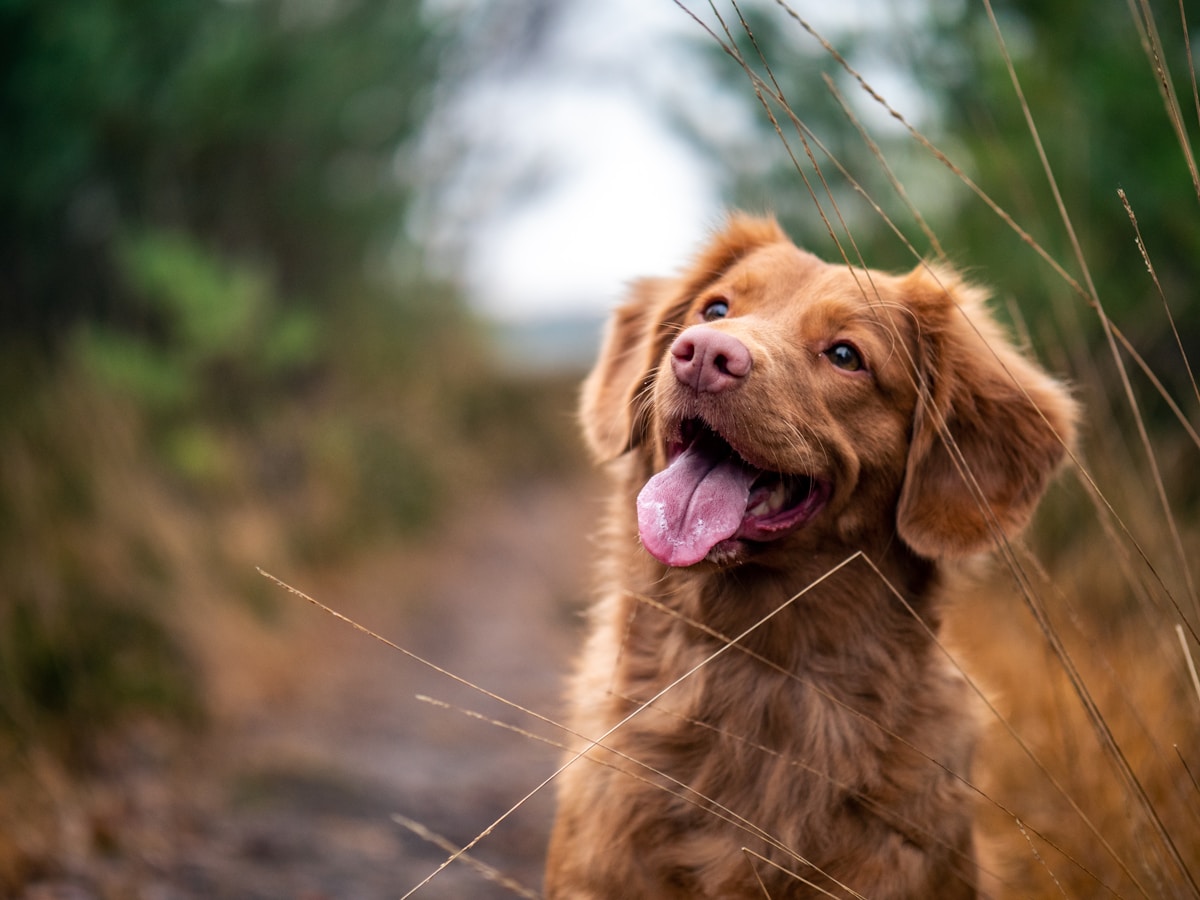
Schnoodle
Schnauzer + Poodle. Very low-shed with a wiry-curly coat. Sharp, trainable, and characterful. Small size but big personality — good watchdog.
Traits at a glance
Cost calculator
Training tips for a Schnoodle
Practical, breed-specific advice tuned to a Schnoodle's temperament, energy and trainability.
House-Training Success
Establish a strict schedule with toilet breaks every 2-3 hours, rewarding immediately after toileting outside. If you catch an accident in progress, use a firm verbal interruption to stop the behaviour, then calmly take them outside to finish.
Early Socialisation
Expose your Schnoodle to different people, dogs, and environments before 16 weeks, ensuring experiences are positive but not overwhelming. Their alert nature means they can become suspicious or yappy without proper early exposure to novelty.
Exercise and Enrichment
Provide 45-60 minutes of daily activity combining walks with puzzle toys or scent games to challenge their sharp Poodle-Schnauzer intelligence. A bored Schnoodle will bark excessively or develop destructive habits.
Managing Alert Barking
Teach a 'quiet' cue by acknowledging the alert bark once, then using a clear verbal marker and brief leash guidance if needed to redirect focus back to you. Consistency in timing prevents the watchdog instinct from escalating into nuisance barking.
Balanced Training Approach
Leverage their high trainability with clear communication: mark and reward desired behaviours generously, but don't hesitate to use calm, fair corrections for unwanted behaviour like jumping or demand barking. Their intelligence means they respond quickly to consistent boundaries and thrive on structure.
Training guides for a Schnoodle
Expert-written guides picked for a Schnoodle's temperament and needs.
How dogs actually learn: the four quadrants explained
Positive reinforcement, negative reinforcement, and everything in between — a clear, honest look at operant conditioning and when each tool is the right call.
Building a rock-solid recall
A reliable come-when-called can save your dog's life. Here's how to build one that holds up around real distractions.
Loose-lead walking: stop the pulling for good
Why your dog pulls, and a step-by-step plan using clear reinforcement to build a relaxed, no-tension walk.
Health & nutrition for a Schnoodle
What to watch for, how to feed, and how to keep a Schnoodle in top shape — tuned to this breed's size and build.
Common health concerns
- •Schnoodles can inherit patellar luxation from both parent breeds, so watch for limping, skipping steps, or reluctance to jump.
- •Progressive retinal atrophy and cataracts are genetic concerns; schedule annual eye examinations with your vet.
- •Dental disease is common in small breeds, so monitor for bad breath, red gums, or difficulty eating.
- •Pancreatitis can occur especially if fed high-fat processed foods; signs include vomiting, abdominal pain, and lethargy.
Feeding & nutrition
- •Feed a biologically-appropriate raw diet with 80% raw muscle meat (chicken, turkey, lamb), 10% raw meaty bones (chicken necks, wings), and 10% organ meat (liver, kidney) to support optimal health and prevent pancreatitis.
- •For a 10-20 lb Schnoodle, offer approximately 2-4% of body weight daily in raw food (roughly 200-400g), split into two meals, adjusting based on activity level and body condition.
- •Raw feeding naturally cleans teeth and provides moisture for urinary health—far superior to dehydrating, carbohydrate-heavy kibble that contributes to dental disease and inflammation.
- •If raw feeding isn't immediately feasible, choose a grain-free, high-protein kibble as a temporary measure, but transition to raw for long-term vitality and disease prevention.
Exercise & weight
- •Provide 45-60 minutes of daily exercise split between brisk walks, interactive play, and mental stimulation to match this breed's high energy and intelligence.
- •Incorporate puzzle toys, scent work, and obedience training to satisfy the Schnoodle's sharp mind and prevent boredom-related behaviours.
- •Avoid repetitive jumping or stairs during puppyhood to protect developing joints and reduce patellar luxation risk.
- •Regular off-leash play in secure areas allows natural running and social interaction, crucial for maintaining healthy weight and joint function.
Educational guidance only — not veterinary advice. Always consult a licensed vet for your dog's specific health needs.
Ready to meet a Schnoodle?
Search animal shelters and rescues across Australia — and consider bringing a certified trainer to your first meet-and-greet.