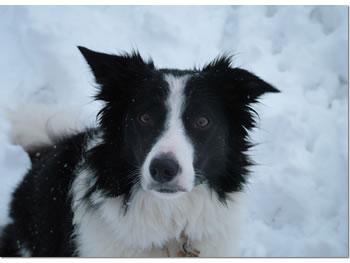
Rough Collie
Lassie. Elegant, gentle family dog. Long coat needs weekly brushing. Sensitive to harsh training methods.
Traits at a glance
Cost calculator
Training tips for a Rough Collie
Practical, breed-specific advice tuned to a Rough Collie's temperament, energy and trainability.
House-Training Consistency
Establish a strict toilet schedule and watch for circling or sniffing cues—interrupt calmly with a neutral 'outside' and guide them to the right spot, then reward heavily once they finish there. Their sensitivity means a firm 'no' and immediate redirection works better than raised voices.
Early Socialisation Priority
Expose your Rough Collie to diverse people, dogs, and environments between 8-16 weeks, ensuring each experience is calm and controlled. Their gentle nature can turn into wariness if under-socialised, so use food and praise to build positive associations without flooding them.
Mental and Physical Balance
Combine daily 45-minute walks with puzzle toys or short training sessions to satisfy their herding brain—moderate energy means they don't need marathons, but boredom leads to nuisance barking. Rotate activities to keep their intelligent mind engaged.
Managing Herding Instincts
Watch for nipping at running children or pets, and interrupt immediately with a calm but firm 'leave it', then redirect to a toy or structured activity. Teach an incompatible behaviour like 'sit-stay' when excitement builds to prevent the herding reflex from becoming a habit.
Gentle but Clear Communication
Use calm, clear markers for correct and incorrect behaviour—this breed responds best to quiet confidence and consistent boundaries rather than force. A well-timed verbal correction followed by showing them what you want builds trust without shutting down their sensitive temperament.
Training guides for a Rough Collie
Expert-written guides picked for a Rough Collie's temperament and needs.
Health & nutrition for a Rough Collie
What to watch for, how to feed, and how to keep a Rough Collie in top shape — tuned to this breed's size and build.
Common health concerns
- •Rough Collies are genetically predisposed to Collie Eye Anomaly (CEA), so regular veterinary eye examinations from puppyhood are essential to monitor vision health.
- •This breed can suffer from multidrug sensitivity (MDR1 gene mutation), making them react adversely to common medications, so genetic testing and veterinary awareness are crucial.
- •Hip dysplasia occurs in Rough Collies, so maintaining a lean body condition through proper nutrition and monitoring for limping or reluctance to exercise helps protect joint health.
- •Dermatomyositis, an inflammatory skin and muscle condition, can appear in this breed, presenting as skin lesions on the face and legs or muscle atrophy requiring veterinary attention.
Feeding & nutrition
- •Feed your Rough Collie a biologically-appropriate raw diet consisting of 2-3% of their body weight daily (1-1.5kg for a 50kg adult), with 70-80% raw muscle meat like beef, lamb, or kangaroo, 10% raw meaty bones such as chicken necks or lamb ribs for dental health, and 5-10% organ meat including liver and kidney for essential nutrients.
- •Raw feeding supports this breed's sensitive digestion and reduces inflammation that can exacerbate joint issues like hip dysplasia, while promoting a healthier coat and skin condition.
- •Divide daily raw portions into two meals to suit their moderate energy level and prevent bloat, adjusting quantities based on activity level and body condition to maintain their elegant, lean build.
- •If convenience absolutely requires it, choose a high-quality grain-free kibble as a backup, but understand that processed food cannot match the bioavailability and health benefits of species-appropriate raw nutrition for your Collie.
Exercise & weight
- •Rough Collies require 60-90 minutes of daily exercise including walks and mental stimulation through herding games or obedience training to satisfy their moderate energy level and intelligent nature.
- •Include gentle activities like long walks, swimming, or agility training that protect joints while providing cardiovascular fitness, avoiding high-impact repetitive jumping that could worsen hip dysplasia.
- •Mental enrichment through puzzle toys, scent work, or trick training is essential for this intelligent herding breed to prevent boredom and maintain psychological wellbeing.
- •Monitor exercise intensity during hot weather as their thick double coat makes them prone to overheating, and maintain consistent daily activity to prevent obesity which stresses joints and exacerbates genetic health issues.
Educational guidance only — not veterinary advice. Always consult a licensed vet for your dog's specific health needs.
Ready to meet a Rough Collie?
Search animal shelters and rescues across Australia — and consider bringing a certified trainer to your first meet-and-greet.