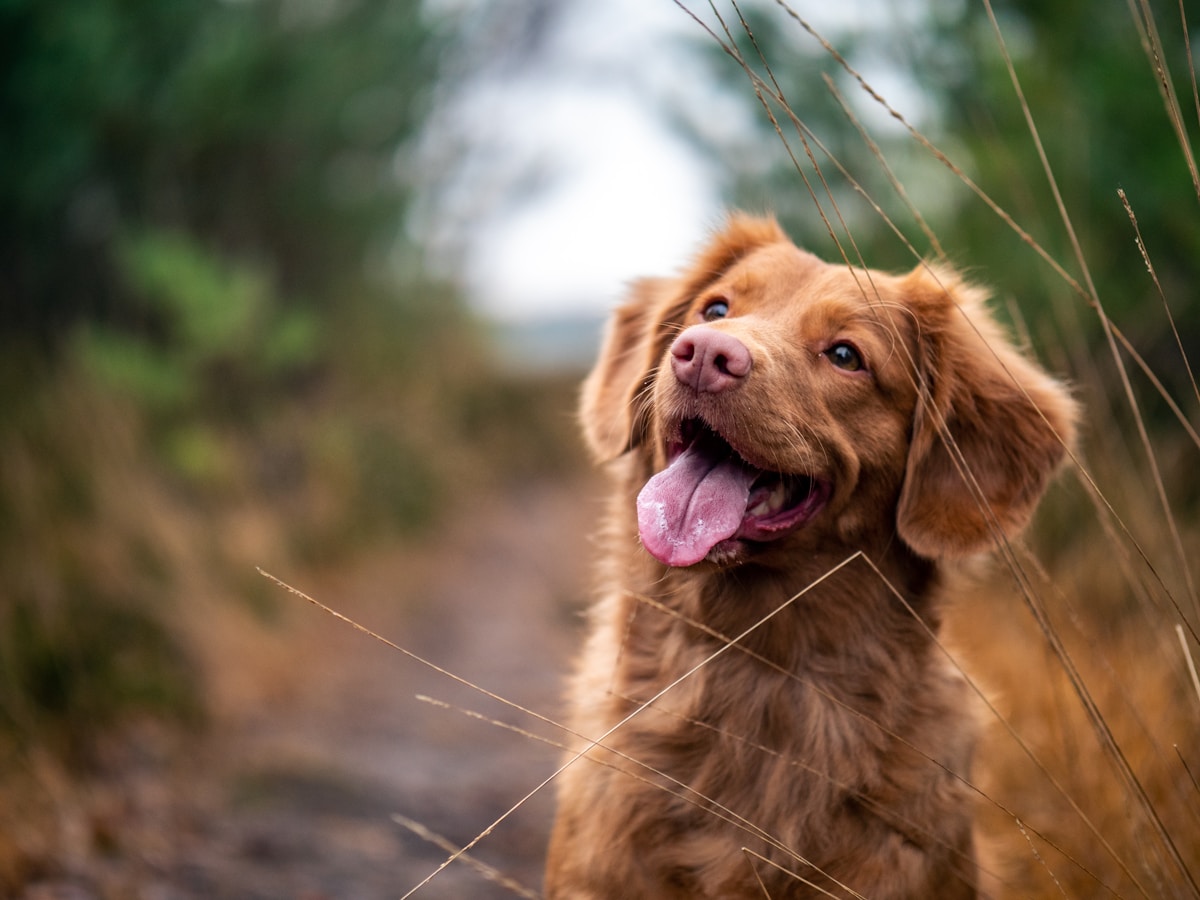
Puggle
Pug + Beagle. Softens the Pug's breathing issues by lengthening the muzzle. Chatty and food-obsessed. Enjoys apartment life if walked twice daily.
Traits at a glance
Cost calculator
Training tips for a Puggle
Practical, breed-specific advice tuned to a Puggle's temperament, energy and trainability.
House-Training Consistency
Establish a strict feeding schedule and take your Puggle outside immediately after meals, as their food obsession means predictable elimination times. If accidents happen indoors, interrupt with a calm but firm vocal marker and immediately redirect outside, praising warmly upon success.
Early Socialisation Priority
Expose your Puggle to children, other dogs, and varied environments during the critical period, as their curious nature makes them receptive but their Beagle heritage can lead to selective hearing. Use high-value food rewards during positive encounters and gently interrupt any unwanted fixation or barking with leash pressure, then redirect attention back to you.
Exercise and Scent Work
Provide two daily walks plus regular scent games or puzzle feeders to satisfy both their moderate energy and Beagle nose. A bored Puggle will bark and forage destructively, so tire the mind as much as the body.
Managing Stubborn Streaks
When your Puggle ignores a known command, avoid repeating yourself endlessly—instead, use a leash prompt or gentle physical guidance to ensure compliance, then immediately mark success with food or praise. Their stubbornness fades when they learn that response is non-negotiable but always worthwhile.
Balanced Training Approach
Leverage their food drive for teaching new skills, but pair it with clear boundaries using vocal corrections and leash guidance when they test limits. This breed responds best to handlers who are patient and affectionate yet consistently enforce expectations without nagging.
Training guides for a Puggle
Expert-written guides picked for a Puggle's temperament and needs.
Health & nutrition for a Puggle
What to watch for, how to feed, and how to keep a Puggle in top shape — tuned to this breed's size and build.
Common health concerns
- •Monitor for brachycephalic airway issues inherited from the Pug side, though typically milder due to the longer Beagle muzzle; watch for laboured breathing during exercise or heat.
- •Hip dysplasia and patellar luxation are common in this designer breed, so watch for limping, reluctance to jump, or abnormal gait.
- •Puggles are highly prone to obesity due to Beagle food obsession combined with Pug build; excess weight drastically worsens joint and respiratory problems.
- •Check ears regularly for infections, especially if they inherit floppy Beagle ears, and monitor eyes for Pug-related issues like cherry eye or dry eye.
Feeding & nutrition
- •Feed a biologically-appropriate raw diet consisting of 2-3% of body weight daily (roughly 360-900g for an 18-30 lb Puggle): 70-80% raw muscle meat (chicken, turkey, beef, kangaroo), 10% raw meaty bones (chicken necks, wings), and 5-10% organ meat (liver, kidney).
- •Raw feeding helps maintain lean muscle mass and prevents the obesity this food-obsessed breed is prone to, while supporting joint health and reducing inflammatory issues.
- •Divide daily raw portions into two meals to satisfy their appetite and prevent gulping; avoid free-feeding due to their extreme food motivation.
- •If convenience absolutely requires kibble, choose a high-protein, grain-free formula and feed strictly measured portions (roughly 1-1.5 cups daily split into two meals), but understand this processed option lacks the nutritional benefits and digestive enzymes of raw food.
Exercise & weight
- •Provide two moderate 20-30 minute walks daily to satisfy their curious Beagle nature and prevent weight gain without overworking the Pug-influenced respiratory system.
- •Incorporate short play sessions and scent-work games indoors to mentally stimulate their hound heritage while avoiding overheating in warmer weather.
- •Avoid strenuous exercise in heat or humidity due to potential breathing difficulties; early morning or evening walks are safest.
- •Monitor body condition closely and adjust exercise intensity if excess weight develops, as obesity severely impacts their joints and breathing capacity.
Educational guidance only — not veterinary advice. Always consult a licensed vet for your dog's specific health needs.
Ready to meet a Puggle?
Search animal shelters and rescues across Australia — and consider bringing a certified trainer to your first meet-and-greet.