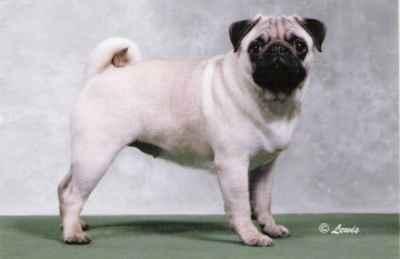
Pug
Wrinkled little clown with a heart of gold — a family favorite in tight spaces.
Traits at a glance
Cost calculator
Training tips for a Pug
Practical, breed-specific advice tuned to a Pug's temperament, energy and trainability.
House-Training Consistency
Take your Pug out every 2-3 hours and immediately after meals, as their small bladders need frequent breaks. Use high-value treats and enthusiastic praise the moment they toilet outside to reinforce the behaviour quickly.
Early Socialisation Essential
Expose your Pug to different people, dogs, and environments during puppyhood to curb potential wariness and encourage their naturally loving temperament. Keep sessions short and positive to prevent overheating in this brachycephalic breed.
Moderate Exercise Balance
Provide two short walks daily plus indoor play with puzzle toys to meet their moderate energy needs without overexertion. Avoid exercise in heat and watch for breathing difficulties due to their flat face.
Managing Mischievous Stubbornness
Combat their cheeky, stubborn streak by keeping training sessions brief, fun, and food-motivated—Pugs respond brilliantly to treats. Be patient and consistent, as they'll cleverly test boundaries if they sense inconsistency.
Positive Reinforcement Always
Use reward-based training with plenty of treats, praise, and play to suit their sensitive, people-pleasing nature. Harsh corrections will shut down this charming breed, so keep it upbeat and they'll happily cooperate.
Training guides for a Pug
Expert-written guides picked for a Pug's temperament and needs.
Health & nutrition for a Pug
What to watch for, how to feed, and how to keep a Pug in top shape — tuned to this breed's size and build.
Common health concerns
- •Pugs are highly prone to brachycephalic obstructive airway syndrome (BOAS) due to their flat faces, causing breathing difficulties that worsen with obesity or overheating.
- •Watch for eye injuries and chronic dry eye (keratoconjunctivitis sicca) as their prominent, bulging eyes are extremely vulnerable to trauma and ulceration.
- •Hip dysplasia and patellar luxation are common in this breed, so monitor for limping, difficulty rising, or reluctance to jump.
- •Skin fold dermatitis frequently develops in facial wrinkles if not kept clean and dry, leading to bacterial or yeast infections.
Feeding & nutrition
- •Feed a biologically-appropriate raw diet with 70% raw muscle meat (chicken, turkey, lean beef), 10% raw meaty bones (chicken necks, wings), 10% organ meat (liver, kidney), and 10% vegetables to support optimal weight and reduce inflammation in joints and airways.
- •Pugs require approximately 350-450 calories daily depending on activity level; typically 200-250g of raw food per day for a 14-18 lb dog, split into two meals to prevent bloat and maintain energy.
- •Raw feeding helps maintain lean body mass critical for brachycephalic breeds, as excess weight severely exacerbates breathing problems and joint stress.
- •If convenience demands kibble, choose a high-protein, grain-free formula and feed sparingly (¾ to 1 cup daily), though it lacks the bioavailable nutrients and moisture of raw food.
Exercise & weight
- •Provide two short walks of 15-20 minutes daily in cool weather, as Pugs overheat rapidly and their breathing limitations prevent sustained exertion.
- •Avoid exercise during hot or humid conditions entirely; opt for indoor play sessions with puzzle toys to provide mental stimulation without respiratory stress.
- •Keep exercise low-impact to protect vulnerable joints—gentle play and short bursts of activity are ideal, avoiding jumping or stairs when possible.
- •Monitor breathing closely during any activity; stop immediately if wheezing, excessive panting, or blue-tinged gums appear, as obesity combined with exercise intolerance creates serious health risks.
Educational guidance only — not veterinary advice. Always consult a licensed vet for your dog's specific health needs.
Ready to meet a Pug?
Search animal shelters and rescues across Australia — and consider bringing a certified trainer to your first meet-and-greet.