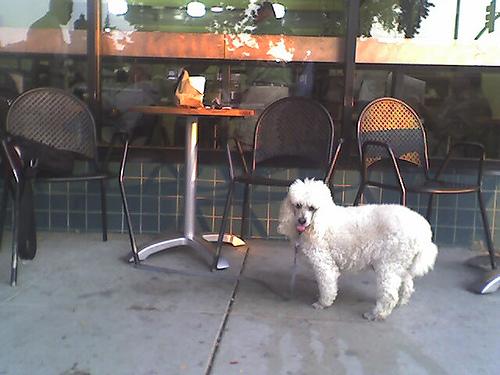
Miniature Poodle
The dignified middle sibling of the Poodle family. Truly hypoallergenic. Long-lived. Requires clipping every 4-6 weeks.
Traits at a glance
Cost calculator
Training tips for a Miniature Poodle
Practical, breed-specific advice tuned to a Miniature Poodle's temperament, energy and trainability.
House-Training Success
Use a strict schedule and crate management, then immediately interrupt any indoor mistake with a calm "ah-ah" and swift redirection outside to the correct spot. Miniature Poodles are clean by nature and learn bathroom routines quickly when timing is consistent.
Early Socialisation
Expose your Poodle to varied people, dogs, and environments during the critical period, but don't coddle or pick them up when they show hesitation—let them work through mild uncertainty on their own to build confidence. Their alert nature can tip into suspicion without broad, neutral exposure.
Exercise and Enrichment
Provide daily walks plus puzzle toys or scent games to satisfy their high intelligence and moderate energy, or boredom will show up as nuisance barking or destructive chewing. A tired Miniature Poodle mind is a well-behaved one.
Managing Alert Barking
Teach a "quiet" cue by allowing one or two alert barks, then using a verbal marker and brief leash pressure or gentle interruption to stop the behaviour before rewarding the silence. Never shout over barking—it only adds to the noise.
Leverage Their Cleverness
Train with clear, consistent cues and immediate consequences—both reward for correct responses and a calm correction or removal of attention for unwanted behaviour—because Poodles learn patterns lightning-fast, good or bad. Their trainability means they thrive on structure, not ambiguity.
Training guides for a Miniature Poodle
Expert-written guides picked for a Miniature Poodle's temperament and needs.
How dogs actually learn: the four quadrants explained
Positive reinforcement, negative reinforcement, and everything in between — a clear, honest look at operant conditioning and when each tool is the right call.
Building a rock-solid recall
A reliable come-when-called can save your dog's life. Here's how to build one that holds up around real distractions.
Loose-lead walking: stop the pulling for good
Why your dog pulls, and a step-by-step plan using clear reinforcement to build a relaxed, no-tension walk.
Health & nutrition for a Miniature Poodle
What to watch for, how to feed, and how to keep a Miniature Poodle in top shape — tuned to this breed's size and build.
Common health concerns
- •Miniature Poodles are genetically prone to progressive retinal atrophy (PRA) and cataracts, so monitor for vision changes like night blindness or cloudy eyes.
- •This breed commonly develops luxating patellas (slipping kneecaps), so watch for intermittent limping or skipping on hind legs.
- •Dental disease is prevalent in small breeds like Miniature Poodles, making raw meaty bones essential for natural teeth cleaning and gum health.
- •Addison's disease and epilepsy occur more frequently in this breed, so note any lethargy, vomiting, or seizure activity for veterinary assessment.
Feeding & nutrition
- •Feed a biologically-appropriate raw diet with 80% raw muscle meat (chicken, turkey, lamb, beef), 10% edible bone (chicken necks, wings, lamb ribs), and 10% organ meat (liver, kidney) to support this clever breed's vitality.
- •Miniature Poodles thrive on approximately 300-400 calories daily (2-3% of body weight in raw food), split into two meals to maintain their high energy levels and lean physique.
- •Raw meaty bones like chicken wings or necks are critical for this breed's dental health, preventing the tartar buildup and tooth loss common in small dogs.
- •If raw feeding isn't immediately feasible, choose a high-quality grain-free kibble as a temporary measure, but transition to raw for optimal health and longevity.
Exercise & weight
- •Provide 45-60 minutes of daily exercise through brisk walks, fetch sessions, or agility training to match this breed's high energy and intelligent nature.
- •Mental stimulation through puzzle toys, obedience training, and scent work is essential to prevent boredom and destructive behaviours in this clever breed.
- •Regular, controlled exercise helps maintain healthy joints and prevents the obesity that can exacerbate patellar luxation in Miniature Poodles.
- •Include swimming or hydrotherapy when possible, as Poodles are natural water dogs and low-impact exercise benefits their long-term joint health.
Educational guidance only — not veterinary advice. Always consult a licensed vet for your dog's specific health needs.
Ready to meet a Miniature Poodle?
Search animal shelters and rescues across Australia — and consider bringing a certified trainer to your first meet-and-greet.