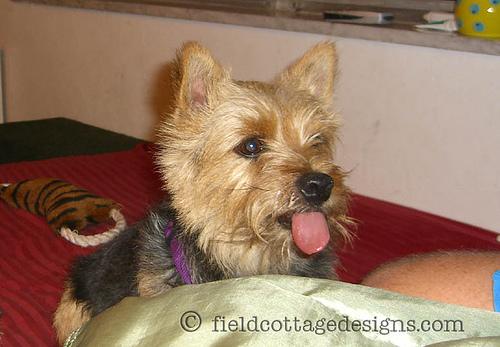
Norwich Terrier
One of the smallest working terriers. Prick-eared, ratty little charmer. Great apartment fit for a terrier.
Traits at a glance
Cost calculator
Training tips for a Norwich Terrier
Practical, breed-specific advice tuned to a Norwich Terrier's temperament, energy and trainability.
House-Training Consistency
Establish a strict routine with frequent outdoor trips, and immediately interrupt accidents with a firm verbal marker before redirecting outside. Supervise closely indoors or use crate confinement when you can't watch them—terriers are notorious for sneaking off to toilet in hidden spots.
Early Socialisation Priority
Expose your Norwich to a wide variety of people, dogs, and environments before 16 weeks to curb their naturally fearless nature from turning into over-confidence or reactivity. Use controlled introductions and step in with calm, clear boundaries if they become too pushy or scrappy with other dogs.
Exercise and Mental Work
Provide 30-45 minutes of daily exercise plus scent games, dig boxes, or puzzle toys to satisfy their working terrier drive. A bored Norwich will bark, dig, or create their own entertainment, so channel that curiosity constructively every day.
Managing Terrier Tenacity
Norwich can be stubborn and selectively deaf when they lock onto something interesting—teach a reliable recall early using high-value motivators and enforce it with a long line during training. If they ignore a known command, use a leash correction or environmental pressure to follow through so they learn compliance isn't optional.
Balanced Training Approach
These clever, affectionate dogs respond well to clear structure and consistency—use food and play to build desired behaviours, but don't hesitate to apply fair corrections for deliberate defiance or unsafe choices. Keep sessions short and upbeat; their loyalty means they want to please, but their terrier independence requires you to be the calm, credible leader.
Training guides for a Norwich Terrier
Expert-written guides picked for a Norwich Terrier's temperament and needs.
How dogs actually learn: the four quadrants explained
Positive reinforcement, negative reinforcement, and everything in between — a clear, honest look at operant conditioning and when each tool is the right call.
Building a rock-solid recall
A reliable come-when-called can save your dog's life. Here's how to build one that holds up around real distractions.
Loose-lead walking: stop the pulling for good
Why your dog pulls, and a step-by-step plan using clear reinforcement to build a relaxed, no-tension walk.
Health & nutrition for a Norwich Terrier
What to watch for, how to feed, and how to keep a Norwich Terrier in top shape — tuned to this breed's size and build.
Common health concerns
- •Norwich Terriers are genetically prone to upper airway syndrome and tracheal collapse, so monitor for coughing, gagging, or labored breathing especially during exercise or excitement.
- •This breed commonly develops luxating patellas (slipping kneecaps), so watch for sudden limping, skipping steps, or holding a rear leg up during activity.
- •Epilepsy occurs in Norwich Terriers with higher frequency; be alert for seizures, usually appearing between 6 months and 3 years of age.
- •Dental disease progresses rapidly in small breeds like the Norwich, so watch for bad breath, inflamed gums, or reluctance to chew despite their natural raw diet helping maintain cleaner teeth.
Feeding & nutrition
- •Feed a biologically-appropriate raw diet consisting of 80% raw muscle meat (chicken, turkey, lamb, or beef), 10% raw meaty bones (chicken necks or wings for their small jaw), and 10% organ meat (liver, kidney) to support optimal health in this compact terrier.
- •A 12-pound Norwich Terrier requires approximately 240-300 calories daily (about 2-2.5% of body weight in raw food), adjusted based on activity level and individual metabolism.
- •Raw meaty bones are essential for this breed's dental health and satisfy their natural chewing instinct while preventing the tartar buildup common in small terriers.
- •If absolute convenience demands it, choose a high-quality grain-free kibble as a fallback, but recognize it lacks the bioavailable nutrients, enzymes, and dental benefits of species-appropriate raw feeding.
Exercise & weight
- •Provide 45-60 minutes of daily exercise split between brisk walks and vigorous play sessions to satisfy this energetic working terrier's high activity needs.
- •Include mentally stimulating activities like scent work, puzzle toys, or digging opportunities to channel their natural hunting and ratting instincts productively.
- •Despite their small size, Norwich Terriers need consistent exercise to prevent obesity, which places dangerous strain on their predisposed patella and tracheal issues.
- •Avoid over-exercising in extreme heat due to their risk of upper airway syndrome, and monitor breathing closely during intense activity.
Educational guidance only — not veterinary advice. Always consult a licensed vet for your dog's specific health needs.
Ready to meet a Norwich Terrier?
Search animal shelters and rescues across Australia — and consider bringing a certified trainer to your first meet-and-greet.