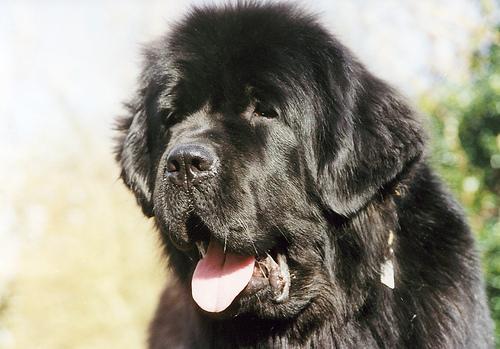
Newfoundland
'Nature's nanny' — a swimming, drooling, gentle giant devoted to family.
Traits at a glance
Cost calculator
Training tips for a Newfoundland
Practical, breed-specific advice tuned to a Newfoundland's temperament, energy and trainability.
House-Training Essentials
Establish a consistent outdoor schedule every 2-3 hours as a puppy, and use a calm verbal correction if you catch accidents in progress, immediately redirecting outside and calmly praising when they finish in the right spot. Their devotion to please makes them quick learners once the routine is clear.
Early Socialisation Priority
Expose your Newfoundland to children, other dogs, and various environments during the critical 8-16 week window to prevent size-related fear or over-protectiveness later. Their patient nature makes this easy, but don't skip it—gentle giants still need confidence-building experiences.
Exercise and Enrichment
Provide daily moderate walks and swimming opportunities rather than intense running, and add puzzle toys or scent work to engage their intelligent working mind without overtaxing their giant frame. Mental work tires them as effectively as physical activity.
Managing Protective Instincts
Watch for subtle guarding behaviours around children or family members and interrupt calmly with a neutral 'enough' command, then redirect to a sit or down to teach them you control situations. Their devotion can become overprotectiveness if not shaped early.
Training Approach
Use clear, calm communication with this sensitive breed—mark desired behaviours immediately with praise or food, and apply gentle leash guidance or a firm 'no' for unwanted actions, as their eagerness to please means they respond to very subtle feedback. Consistency and quiet confidence work far better than force with these devoted giants.
Training guides for a Newfoundland
Expert-written guides picked for a Newfoundland's temperament and needs.
Health & nutrition for a Newfoundland
What to watch for, how to feed, and how to keep a Newfoundland in top shape — tuned to this breed's size and build.
Common health concerns
- •Newfoundlands are genetically prone to hip and elbow dysplasia, so monitor for limping, stiffness, or reluctance to climb stairs, especially as they grow rapidly during puppyhood.
- •This breed has an increased risk of dilated cardiomyopathy (heart disease), so watch for lethargy, coughing, or difficulty breathing and schedule regular cardiac assessments.
- •Bloat (gastric dilatation-volvulus) is a life-threatening emergency in deep-chested giants like Newfoundlands; feed smaller meals throughout the day and avoid vigorous exercise immediately after eating.
- •Cystinuria, a genetic condition causing bladder stones, occurs in this breed, so ensure adequate hydration and monitor for straining during urination or blood in urine.
Feeding & nutrition
- •Feed a biologically-appropriate raw diet with 70% raw muscle meat (beef, lamb, kangaroo), 10% edible bone (chicken frames, lamb necks), 10% organ meat (liver, kidney), and 10% vegetables to support joint health and reduce inflammation in this giant breed.
- •Newfoundlands thrive on approximately 1,200-1,800 calories daily depending on activity level; raw feeding provides superior nutrient bioavailability and helps maintain lean muscle mass without excess weight that stresses joints.
- •Include oily fish like sardines or salmon 2-3 times weekly in their raw diet to provide omega-3 fatty acids for cardiac health and to support their dense, water-resistant coat.
- •If raw feeding is temporarily impossible, choose a high-quality, grain-free kibble formulated for giant breeds, but understand it lacks the enzymes, moisture, and bioavailable nutrients of raw food that this breed needs for optimal health.
Exercise & weight
- •Provide 45-60 minutes of moderate daily exercise split into two sessions, focusing on swimming (their natural talent) and gentle walks rather than high-impact activities that stress developing joints in young dogs.
- •Avoid excessive running, jumping, or stair climbing until at least 18-24 months old when growth plates close, as overexertion during rapid growth can worsen hip and elbow dysplasia risk.
- •Mental stimulation through water work, gentle cart-pulling, or puzzle games is essential for this intelligent working breed to prevent boredom without overtaxing their joints.
- •Monitor weight vigilantly through controlled exercise and proper raw feeding, as obesity significantly accelerates joint deterioration and cardiac strain in giant breeds with shorter lifespans.
Educational guidance only — not veterinary advice. Always consult a licensed vet for your dog's specific health needs.
Ready to meet a Newfoundland?
Search animal shelters and rescues across Australia — and consider bringing a certified trainer to your first meet-and-greet.