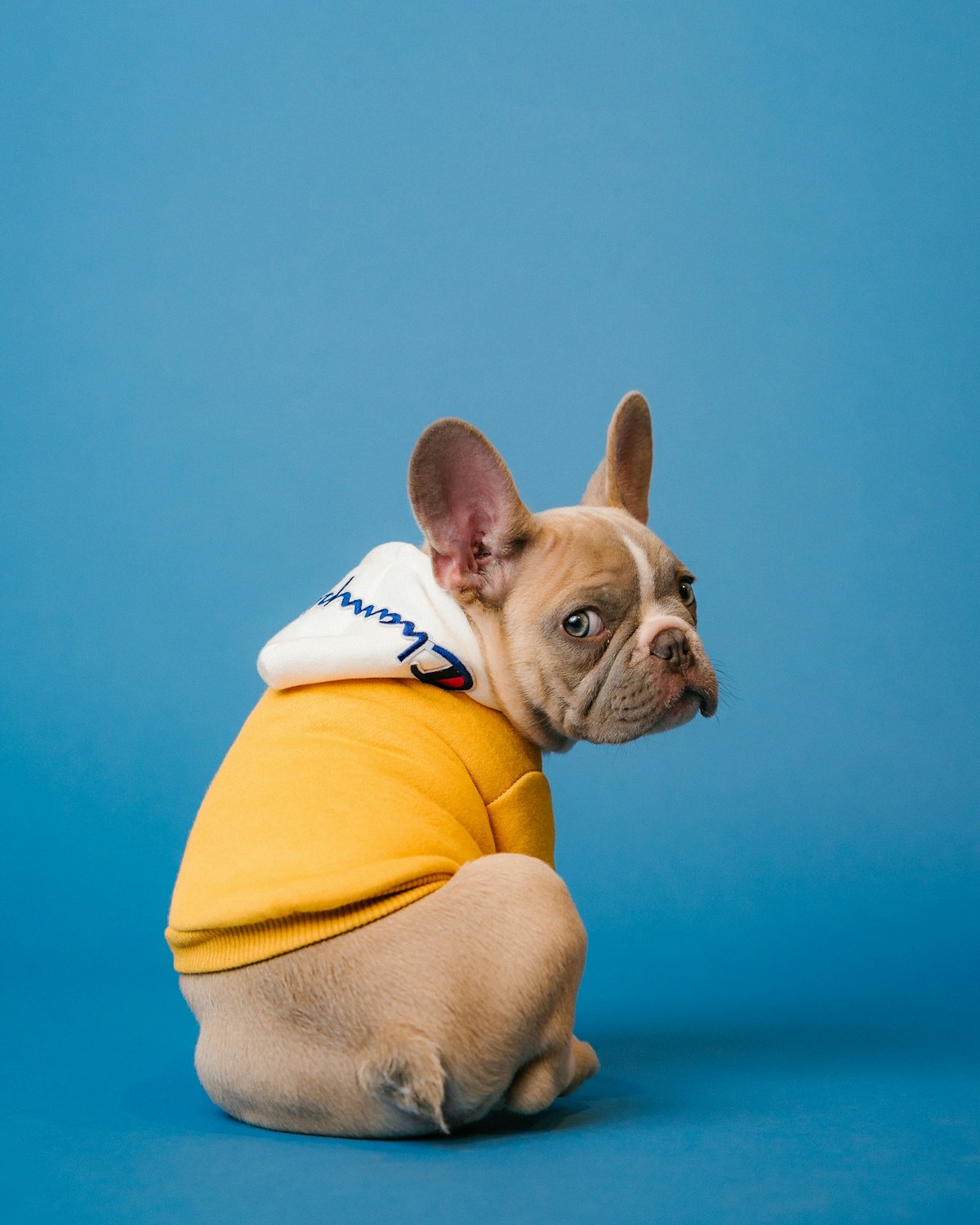
Miniature Pinscher
The 'King of Toys' — struts like a horse. Vocal, alert, low-maintenance coat. Not a Doberman miniature — a separate ancient breed.
Traits at a glance
Cost calculator
Training tips for a Miniature Pinscher
Practical, breed-specific advice tuned to a Miniature Pinscher's temperament, energy and trainability.
House-Training Consistency
Establish a strict toileting schedule and supervise closely indoors; when accidents happen, interrupt with a firm verbal marker and immediately take outside. Confine to a crate or small area when unsupervised to prevent rehearsal of mistakes.
Early Socialisation Priority
Expose your Min Pin to diverse people, dogs, and environments from puppyhood to counter their naturally suspicious and territorial instincts. A fearless temperament can escalate to aggression without proper early exposure and clear boundaries.
Channel High Energy
Provide daily structured walks, indoor fetch games, and puzzle toys to satisfy their athletic nature and sharp minds. A bored Min Pin will bark excessively and develop destructive habits.
Manage Nuisance Barking
Teach a 'quiet' command by allowing one or two alert barks, then using a calm verbal correction or brief lead check if barking continues. Reward silence after the correction to clarify what you expect.
Firm but Fair
This proud, independent breed tests boundaries, so use clear, consistent consequences for unwanted behaviour and immediate reward for compliance. Avoid nagging or repeating commands—mean what you say the first time.
Training guides for a Miniature Pinscher
Expert-written guides picked for a Miniature Pinscher's temperament and needs.
How dogs actually learn: the four quadrants explained
Positive reinforcement, negative reinforcement, and everything in between — a clear, honest look at operant conditioning and when each tool is the right call.
Building a rock-solid recall
A reliable come-when-called can save your dog's life. Here's how to build one that holds up around real distractions.
Loose-lead walking: stop the pulling for good
Why your dog pulls, and a step-by-step plan using clear reinforcement to build a relaxed, no-tension walk.
Health & nutrition for a Miniature Pinscher
What to watch for, how to feed, and how to keep a Miniature Pinscher in top shape — tuned to this breed's size and build.
Common health concerns
- •Miniature Pinschers are prone to patellar luxation (slipping kneecaps), so watch for limping, skipping steps, or reluctance to jump.
- •This breed commonly experiences Legg-Calvé-Perthes disease affecting the hip joint, with symptoms appearing around 6-9 months including lameness and muscle atrophy.
- •Progressive retinal atrophy and other eye conditions can occur, so monitor for night blindness, dilated pupils, or bumping into objects.
- •Dental disease is common in toy breeds due to crowded teeth, making daily oral health checks essential to prevent painful infections and tooth loss.
Feeding & nutrition
- •Feed a biologically-appropriate raw diet of 2-3% of body weight daily (roughly 2.5-4 ounces total for an 8-10 lb Min Pin), divided into two meals of raw muscle meat like chicken, turkey, or rabbit.
- •Include raw meaty bones such as chicken necks or wings 2-3 times weekly to support dental health and provide natural calcium, which is especially important for preventing joint issues this breed faces.
- •Add 10% organ meat to the raw diet weekly (liver, kidney) to provide essential vitamins and nutrients that support eye health and overall vitality in this high-energy breed.
- •If raw feeding isn't possible, choose a high-quality grain-free kibble formulated for small breeds (approximately ¼ to ⅓ cup daily), though this lacks the bioavailable nutrients and dental benefits of fresh raw food.
Exercise & weight
- •Provide 30-45 minutes of daily exercise split into multiple sessions, as this high-energy breed needs vigorous activity despite its small size to prevent obesity and destructive behaviour.
- •Include brisk walks, indoor fetch games, and structured play to channel their fearless, energetic nature while protecting their vulnerable kneecaps from excessive jumping on hard surfaces.
- •Mental stimulation through puzzle toys and training sessions is essential for this intelligent, alert breed to prevent boredom and excessive barking.
- •Avoid over-exercising on hard pavement during growth stages (under 12 months) to protect developing joints and reduce risk of Legg-Calvé-Perthes disease.
Educational guidance only — not veterinary advice. Always consult a licensed vet for your dog's specific health needs.
Ready to meet a Miniature Pinscher?
Search animal shelters and rescues across Australia — and consider bringing a certified trainer to your first meet-and-greet.