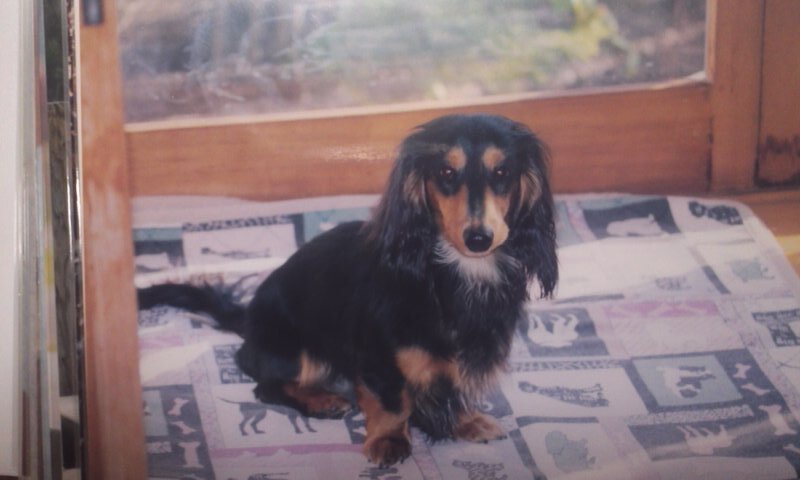
Miniature Dachshund
The smaller Dachshund. All the personality, half the weight. Prone to back injuries — never let them jump off furniture.
Traits at a glance
Cost calculator
Training tips for a Miniature Dachshund
Practical, breed-specific advice tuned to a Miniature Dachshund's temperament, energy and trainability.
House-Training Consistency
Establish a strict schedule with frequent outdoor trips (every 2 hours initially), and immediately interrupt accidents with a firm 'no' before calmly taking them outside to finish. Their stubborn streak means consistency and clear consequences matter more than with most breeds.
Early Socialisation Priority
Expose your Dachshund to diverse people, dogs, and environments before 16 weeks, as their natural suspicion can escalate to defensive barking or snapping if left unchecked. Correct any lunging or excessive reaction calmly but immediately, then redirect their attention.
Exercise and Enrichment
Provide two 20-30 minute walks daily plus scent games or puzzle feeders to engage their hound instincts and clever mind. A bored Dachshund will bark excessively or dig, so mental work is as crucial as physical output.
Managing Nuisance Barking
Address their high barking tendency early by teaching a 'quiet' cue: allow one or two alert barks, then interrupt with a calm, firm verbal marker and redirect to a task. Ignoring alone rarely works with this vocal breed.
Firm but Fair Approach
Their stubborn, independent nature requires clear boundaries and well-timed corrections when they test limits, balanced with praise when they comply. Avoid over-negotiating—state your expectation once, then follow through calmly every time.
Training guides for a Miniature Dachshund
Expert-written guides picked for a Miniature Dachshund's temperament and needs.
How dogs actually learn: the four quadrants explained
Positive reinforcement, negative reinforcement, and everything in between — a clear, honest look at operant conditioning and when each tool is the right call.
Lead reactivity: calming the lunging and barking
The lunging, barking dog on-lead is usually frightened, not 'dominant'. Here's how to lower the emotion and change the response.
Health & nutrition for a Miniature Dachshund
What to watch for, how to feed, and how to keep a Miniature Dachshund in top shape — tuned to this breed's size and build.
Common health concerns
- •Intervertebral disc disease (IVDD) is the primary concern due to their long spine; watch for reluctance to move, yelping when touched, or hind leg weakness.
- •Obesity dramatically increases back injury risk and joint stress, so maintain a lean body condition where ribs are easily felt.
- •Dental disease is common in small breeds; monitor for tartar buildup, bad breath, and difficulty eating.
- •Patellar luxation (slipping kneecaps) can occur; watch for intermittent limping or skipping on hind legs.
Feeding & nutrition
- •A raw biologically-appropriate diet is ideal for Miniature Dachshunds: feed 2-3% of body weight daily (roughly 3-5 ounces for an 8-11 lb dog), comprising 70-80% raw muscle meat, 10% raw meaty bones (chicken necks or wings), and 10% organ meat (half being liver).
- •Raw feeding supports healthy weight management critical for spinal health, provides natural dental cleaning through bone chewing, and delivers bioavailable nutrients without inflammatory grain fillers.
- •For this low-to-moderate energy breed, adjust portions based on activity level and body condition, ensuring a lean physique to protect the vulnerable spine.
- •If convenience absolutely requires it, choose a high-protein, grain-free kibble as a secondary option, but recognize it lacks the enzymatic and dental benefits of raw food.
Exercise & weight
- •Provide 30-40 minutes of daily exercise split into two walks, keeping activity moderate to avoid spinal strain while preventing obesity.
- •Avoid activities involving jumping, climbing stairs, or standing on hind legs, as these movements severely stress the long back and increase IVDD risk.
- •Mental stimulation through scent work and puzzle toys is essential for this clever hound breed to prevent boredom and destructive behavior.
- •Use ramps or steps for furniture access and always support the full body (especially the back) when lifting to minimize spinal injury risk.
Educational guidance only — not veterinary advice. Always consult a licensed vet for your dog's specific health needs.
Ready to meet a Miniature Dachshund?
Search animal shelters and rescues across Australia — and consider bringing a certified trainer to your first meet-and-greet.