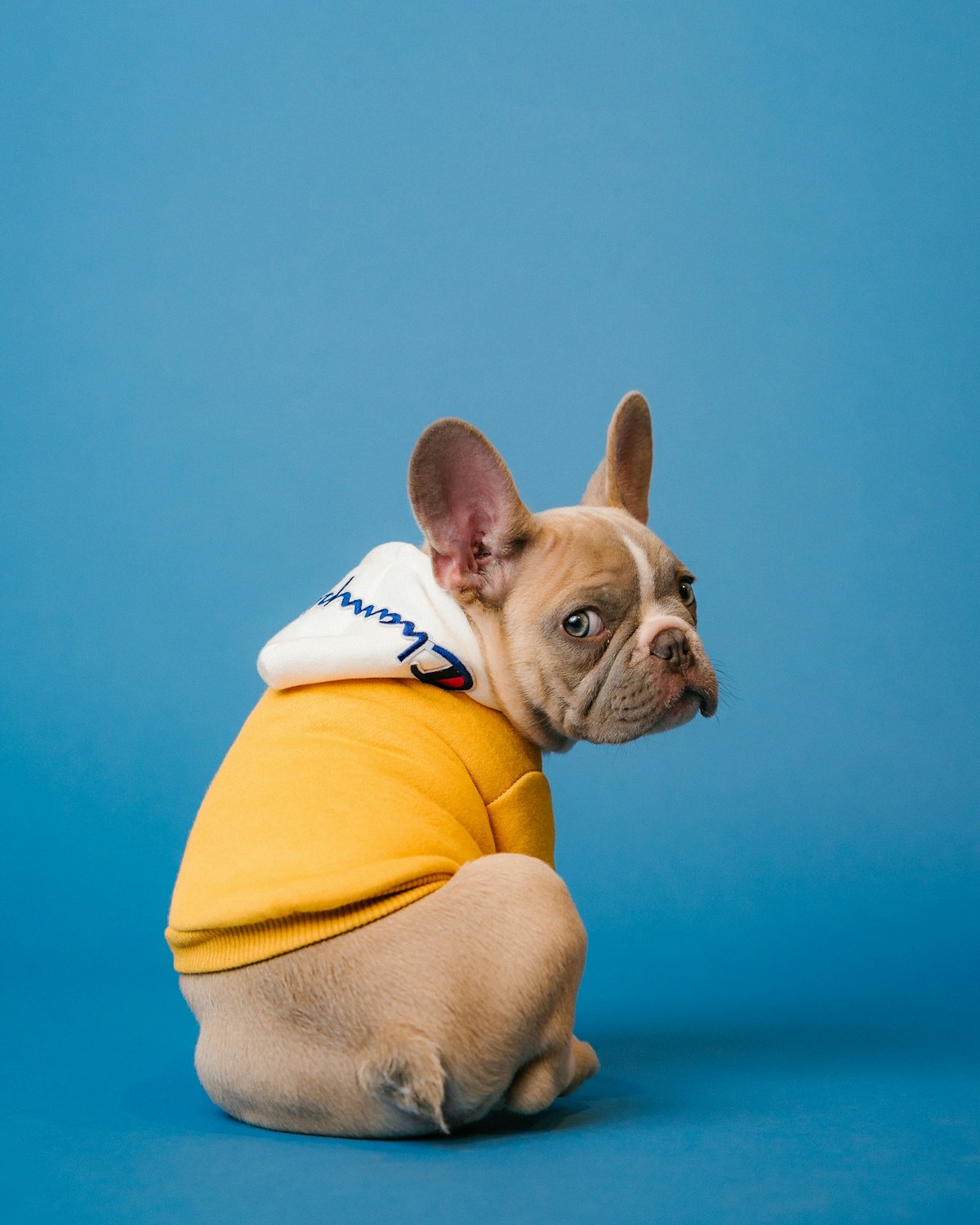
Maltipoo
Maltese + Toy Poodle. Tiny lapdog, very low-shed. Loves people to the point of clinging — not for households out 9+ hours daily.
Traits at a glance
Cost calculator
Training tips for a Maltipoo
Practical, breed-specific advice tuned to a Maltipoo's temperament, energy and trainability.
House-Training Consistency
Take your Maltipoo outside every 2 hours and immediately after meals, using a verbal cue when they toilet, then reward with play or affection. If you catch an accident in progress, use a firm verbal interrupter and calmly move them outside to finish—consistency and timing matter more than emotion.
Early Socialisation Essential
Expose your Maltipoo to varied people, dogs, and environments before 16 weeks to prevent fearfulness and over-attachment. Pair new experiences with calm handling and praise, gently encouraging approach rather than allowing retreat or coddling when they're hesitant.
Mental and Physical Outlet
Provide 20–30 minutes of daily walking plus puzzle toys or scent games to satisfy their Poodle intelligence and prevent boredom barking. A tired Maltipoo is a well-behaved Maltipoo—under-stimulation leads to attention-seeking behaviour.
Managing Separation Anxiety
Teach alone-time gradually by practising short departures without fuss, ignoring anxious whining, and calmly rewarding settled behaviour when you return. Avoid dramatic hellos and goodbyes—matter-of-fact routines reduce their emotional dependence and prevent clingy, destructive habits.
Gentle but Clear Boundaries
Use calm, consistent correction for unwanted behaviours like jumping or demand barking—withdraw attention immediately or use a brief time-out in a crate. Their sensitive nature responds best to clear communication and structure, not harsh methods, but they still need to understand limits.
Training guides for a Maltipoo
Expert-written guides picked for a Maltipoo's temperament and needs.
How dogs actually learn: the four quadrants explained
Positive reinforcement, negative reinforcement, and everything in between — a clear, honest look at operant conditioning and when each tool is the right call.
Separation anxiety: a realistic rehab plan
Barking, destruction and toileting when you leave? Here's how to tell true separation anxiety from boredom — and how to actually fix it.
Health & nutrition for a Maltipoo
What to watch for, how to feed, and how to keep a Maltipoo in top shape — tuned to this breed's size and build.
Common health concerns
- •Maltipoos are prone to dental disease due to their small mouths and crowded teeth, so watch for tartar buildup, bad breath, and difficulty eating.
- •Luxating patellas (slipping kneecaps) are common in this breed; monitor for limping, skipping steps, or reluctance to jump.
- •Progressive retinal atrophy and other eye conditions can occur, so watch for vision changes, cloudiness, or bumping into objects.
- •Hypoglycaemia (low blood sugar) is a risk in smaller Maltipoos under 10 lbs, especially as puppies; watch for weakness, trembling, or disorientation between meals.
Feeding & nutrition
- •Feed a biologically-appropriate raw diet with 80% raw muscle meat (chicken, turkey, lamb), 10% raw meaty bones (chicken necks, wings for natural teeth cleaning), and 10% organ meat (liver, kidney) to support optimal health and prevent dental disease.
- •Small Maltipoos (5-10 lbs) need approximately 2-3% of body weight daily in raw food (roughly 110-300 calories), split into two meals to maintain stable blood sugar and prevent hypoglycaemia.
- •Raw meaty bones provide natural dental care that kibble cannot match, helping combat the breed's genetic predisposition to periodontal problems.
- •If convenience absolutely requires it, choose a high-quality, grain-free kibble as a fallback, but understand it won't provide the enzymatic, dental, or bioavailable nutritional benefits of raw feeding.
Exercise & weight
- •Maltipoos need 20-30 minutes of moderate exercise daily, split into two shorter walks or play sessions to suit their small size and moderate energy level.
- •Include gentle interactive play (fetch, tug, puzzle toys) indoors to provide mental stimulation and prevent boredom-related behaviours in this intelligent, people-focused breed.
- •Avoid over-exercising or high-impact activities that could stress delicate knee joints and exacerbate patellar luxation risks.
- •Maintain a healthy weight through portion control and regular activity, as even 1-2 extra pounds on a 10 lb dog significantly increases joint strain and health risks.
Educational guidance only — not veterinary advice. Always consult a licensed vet for your dog's specific health needs.
Ready to meet a Maltipoo?
Search animal shelters and rescues across Australia — and consider bringing a certified trainer to your first meet-and-greet.