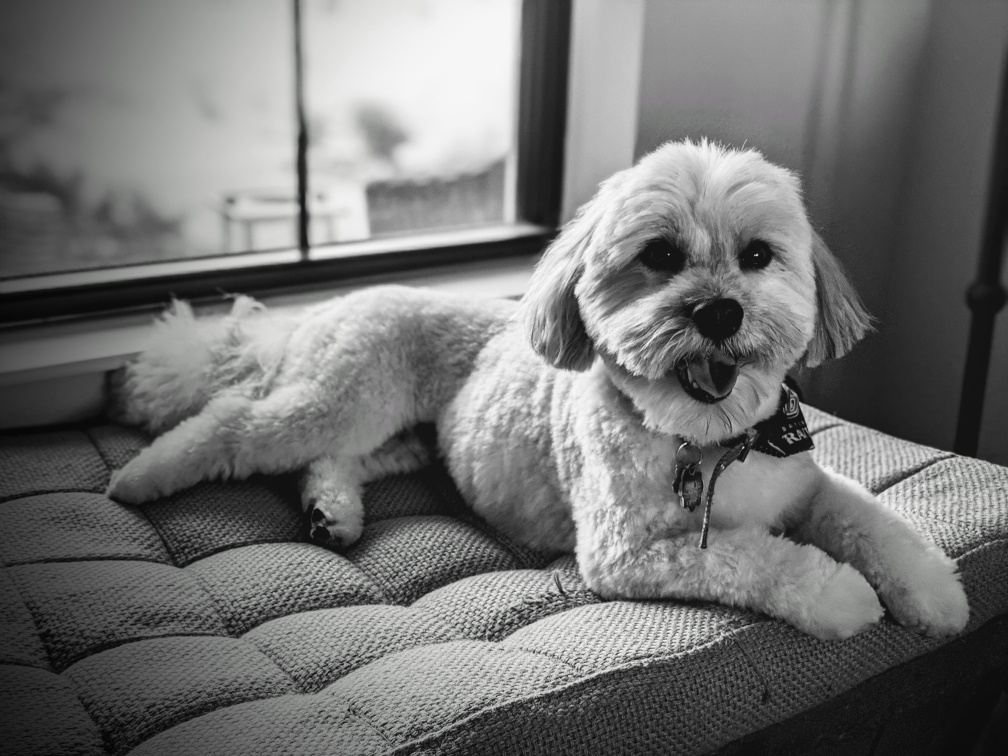
Havanese
Small, hypoallergenic, endlessly social — a first-timer's dream.
Traits at a glance
Cost calculator
Training tips for a Havanese
Practical, breed-specific advice tuned to a Havanese's temperament, energy and trainability.
House-Training Success
Take your Havanese outside every 1–2 hours and immediately after meals, using a consistent toilet spot and calm praise when they finish. If you catch an accident in progress, interrupt with a firm 'no', then carry them straight outside to complete—consistency and timing matter more than lengthy praise sessions.
Early Socialisation Priority
Expose your Havanese to diverse people, dogs, and environments during the critical 8–16 week window, rewarding calm behaviour and gently persisting through hesitation without coddling fear. Their outgoing nature makes this easy, but don't skip it or you risk a velcro dog later.
Mental and Physical Balance
Provide two 20-minute walks plus daily puzzle toys or scent games to satisfy their intelligent, playful mind without over-exercising their small frame. A bored Havanese will create their own fun, usually involving your favourite shoes.
Prevent Separation Anxiety
Begin alone-time training early by crating for short intervals and ignoring attention-seeking whining—only release when quiet—then gradually extend duration. Their social nature makes them prone to velcro behaviour, so teach independence from day one or face a clingy companion.
Clear, Playful Leadership
Use their intelligence and eagerness to please by keeping training sessions short, varied, and fun, but establish clear boundaries with immediate, fair corrections when they test limits (like jumping or demand-barking). This breed thrives with a handler who is both engaging and consistent, not permissive.
Training guides for a Havanese
Expert-written guides picked for a Havanese's temperament and needs.
How dogs actually learn: the four quadrants explained
Positive reinforcement, negative reinforcement, and everything in between — a clear, honest look at operant conditioning and when each tool is the right call.
Separation anxiety: a realistic rehab plan
Barking, destruction and toileting when you leave? Here's how to tell true separation anxiety from boredom — and how to actually fix it.
Health & nutrition for a Havanese
What to watch for, how to feed, and how to keep a Havanese in top shape — tuned to this breed's size and build.
Common health concerns
- •Havanese are prone to luxating patellas (slipping kneecaps), so watch for limping, skipping steps, or reluctance to jump and maintain healthy weight to reduce joint stress.
- •This breed can develop progressive retinal atrophy and cataracts, so monitor for night blindness, cloudy eyes, or bumping into objects and schedule regular eye examinations.
- •Heart murmurs and mitral valve disease occur in Havanese, so listen for exercise intolerance, coughing, or laboured breathing and request annual cardiac checks.
- •Legg-Calvé-Perthes disease affects hip joint development in small breeds like Havanese, causing rear leg lameness or pain typically appearing between 6-12 months of age.
Feeding & nutrition
- •Feed a biologically-appropriate raw diet with 2-3% of body weight daily (roughly 110-260g for a 7-13 lb Havanese), including 70-80% raw muscle meat like chicken, turkey, or rabbit, 10% edible bone from chicken necks or wings, and 10% organ meat with half being liver.
- •Raw meaty bones such as chicken frames or quail help maintain dental health naturally while providing calcium and mental stimulation, which is especially important for this intelligent, social breed.
- •Split daily raw portions into two meals to support stable energy levels and prevent hypoglycemia in these small dogs, adjusting quantity based on activity level and body condition.
- •If convenience absolutely requires commercial food, choose a high-quality, grain-free kibble as a backup option, but recognise that raw feeding provides superior nutrient bioavailability and supports optimal joint, eye, and heart health in Havanese.
Exercise & weight
- •Provide 30-40 minutes of daily exercise split between two walks and interactive play sessions to match their moderate energy level while preventing obesity that stresses vulnerable knees and hips.
- •Incorporate puzzle toys, fetch games, and short training sessions to stimulate their intelligent minds alongside physical activity, as mental boredom can lead to destructive behaviour.
- •Avoid excessive jumping on and off furniture or high-impact activities that stress the patella and hip joints, instead encouraging floor-level play and gradual ramp access.
- •Social dog park visits or playdates satisfy their outgoing temperament and provide natural cardiovascular exercise while maintaining the healthy muscle tone needed to support joint stability.
Educational guidance only — not veterinary advice. Always consult a licensed vet for your dog's specific health needs.
Ready to meet a Havanese?
Search animal shelters and rescues across Australia — and consider bringing a certified trainer to your first meet-and-greet.