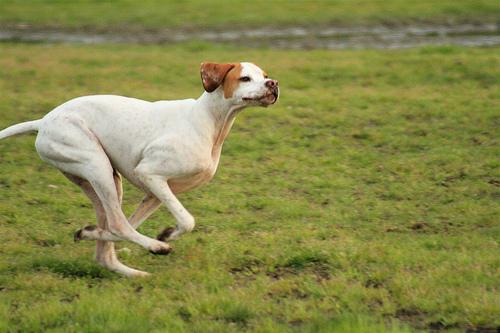
German Shorthaired Pointer
Versatile hunter with rocket-fuel energy — an ultra-marathoner's dream partner.
Traits at a glance
Cost calculator
Training tips for a German Shorthaired Pointer
Practical, breed-specific advice tuned to a German Shorthaired Pointer's temperament, energy and trainability.
House-Training Essentials
Establish a strict toilet schedule with frequent outdoor trips after meals and sleep, and use a firm verbal marker ('no') if you catch accidents in progress, then immediately redirect outside. Consistency and timing are everything with this intelligent breed.
Early Socialisation Priority
Expose your GSP to varied people, dogs, and environments before 16 weeks, managing arousal levels by calmly interrupting over-exuberant greetings with leash pressure or a timeout. Their friendliness needs channeling into appropriate manners, not uncontrolled excitement.
Exercise Mental Stimulation
Provide at least 90 minutes of vigorous running daily plus scent work or retrieval games to prevent destructive boredom behaviours. A tired GSP is a trainable GSP—under-exercised dogs of this breed are nearly impossible to manage indoors.
Managing Hyperactivity Jumping
Address their tendency to jump and mouth when excited by withdrawing attention or using a leash correction the moment feet leave the ground, then rewarding calm four-on-the-floor behaviour. Ignore the behaviour you don't want; interrupt what's unacceptable.
Balanced Training Approach
Leverage their eagerness to please with clear communication—mark desired behaviours with food or play, but don't hesitate to use leash guidance or verbal corrections for non-compliance. This sensitive yet driven breed thrives on fair boundaries and purposeful work.
Training guides for a German Shorthaired Pointer
Expert-written guides picked for a German Shorthaired Pointer's temperament and needs.
How dogs actually learn: the four quadrants explained
Positive reinforcement, negative reinforcement, and everything in between — a clear, honest look at operant conditioning and when each tool is the right call.
Building a rock-solid recall
A reliable come-when-called can save your dog's life. Here's how to build one that holds up around real distractions.
Loose-lead walking: stop the pulling for good
Why your dog pulls, and a step-by-step plan using clear reinforcement to build a relaxed, no-tension walk.
Health & nutrition for a German Shorthaired Pointer
What to watch for, how to feed, and how to keep a German Shorthaired Pointer in top shape — tuned to this breed's size and build.
Common health concerns
- •Hip dysplasia is common in this breed, so monitor for limping, difficulty rising, or reluctance to jump, especially as they age.
- •Bloat (gastric dilatation-volvulus) is a life-threatening risk in deep-chested breeds like GSPs, so watch for restlessness, unproductive retching, or distended abdomen after meals.
- •Hypothyroidism can develop in German Shorthaired Pointers, presenting as unexplained weight gain, lethargy, or coat thinning despite adequate nutrition.
Feeding & nutrition
- •Feed a biologically-appropriate raw diet of 2-3% of body weight daily (roughly 1-2kg for a 45-70lb GSP), including 70-80% raw muscle meat like kangaroo, beef, or chicken, 10% edible raw meaty bones such as chicken frames or turkey necks, and 5-10% organ meat with half being liver.
- •Raw feeding supports lean muscle mass, joint health, and sustained energy levels critical for this high-performance hunting breed while reducing inflammation linked to processed carbohydrates.
- •Split raw meals into two feedings and avoid vigorous exercise for 1-2 hours before and after eating to minimize bloat risk in this deep-chested breed.
- •If raw feeding isn't feasible, choose a high-protein, grain-free kibble (minimum 30% protein) and feed approximately 3-4 cups daily split into two meals, though this remains nutritionally inferior to species-appropriate raw food.
Exercise & weight
- •Provide at least 90-120 minutes of vigorous daily exercise including running, swimming, or field work, as this breed has extraordinary stamina and mental sharpness that demands an outlet.
- •Incorporate activities that engage their hunting instincts such as scent work, retrieve games, or agility training to prevent boredom and destructive behaviour.
- •Maintain consistent high-intensity exercise throughout their lifespan to prevent obesity, which significantly worsens hip dysplasia and joint stress in this athletic breed.
Educational guidance only — not veterinary advice. Always consult a licensed vet for your dog's specific health needs.
Ready to meet a German Shorthaired Pointer?
Search animal shelters and rescues across Australia — and consider bringing a certified trainer to your first meet-and-greet.