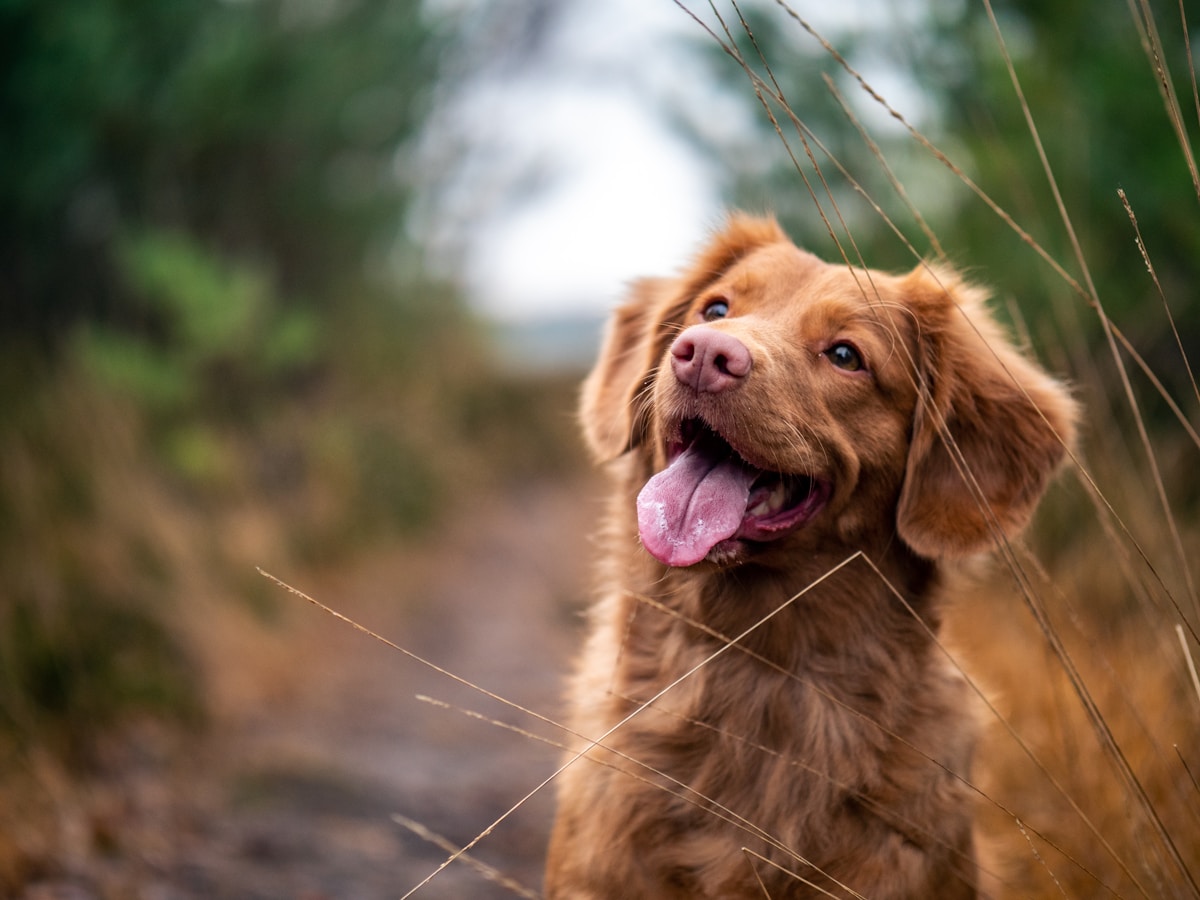
Cavoodle
Australia's most popular designer breed — Cavalier + Poodle. Compact, low-shed, adores people. Excellent apartment or family dog, but needs company most of the day.
Traits at a glance
Cost calculator
Training tips for a Cavoodle
Practical, breed-specific advice tuned to a Cavoodle's temperament, energy and trainability.
House-Training Consistency
Take your Cavoodle outside every 2 hours and immediately after meals, using a calm "no" and quick removal if you catch accidents indoors. Their eagerness to please speeds up learning when you pair toileting outside with enthusiastic praise and a small treat.
Early Socialisation Essential
Expose your Cavoodle to varied people, dogs, and environments between 8-16 weeks to prevent over-attachment and anxiety issues. Their naturally social temperament makes this easy—just ensure experiences stay positive and don't coddle if they seem uncertain.
Balanced Daily Stimulation
Provide 30-40 minutes of walking plus puzzle toys or short training sessions daily to satisfy their moderate energy without over-exercising. A bored Cavoodle may develop nuisance behaviours, so rotate activities throughout the day.
Prevent Separation Anxiety
Practice leaving your Cavoodle alone for short periods from day one, ignoring attention-seeking whining by only returning when quiet. Their strong need for companionship can quickly become problematic if you're always available in early weeks.
Gentle but Clear
Use a soft voice and light leash guidance with this sensitive breed, as harsh corrections will shut them down. Mark wanted behaviours instantly with praise or treats, and interrupt unwanted ones with a calm verbal marker before redirecting to something appropriate.
Training guides for a Cavoodle
Expert-written guides picked for a Cavoodle's temperament and needs.
Health & nutrition for a Cavoodle
What to watch for, how to feed, and how to keep a Cavoodle in top shape — tuned to this breed's size and build.
Common health concerns
- •Cavoodles can inherit heart conditions like mitral valve disease from the Cavalier parent, so watch for coughing, lethargy, or difficulty breathing and schedule annual cardiac checks.
- •This breed is prone to patellar luxation (kneecap slipping), particularly if overweight, so monitor for limping or skipping steps and maintain lean body condition.
- •Eye conditions including cataracts and progressive retinal atrophy occur in both parent breeds, requiring regular veterinary eye examinations.
- •Dental disease is common in small breeds, making raw meaty bones essential for natural teeth cleaning and gum health throughout their 12-15 year lifespan.
Feeding & nutrition
- •Feed a biologically-appropriate raw diet with 2-3% of body weight daily (roughly 150-250g for a 12-24 lb Cavoodle), including muscle meat like chicken, beef, or kangaroo, raw meaty bones such as chicken necks or wings for dental health, and 10% organ meat including liver and kidney.
- •Raw feeding naturally supports heart health, joint integrity, and maintains the ideal lean weight crucial for preventing patellar luxation in this small breed.
- •Divide daily raw portions into two meals to prevent bloat and maintain steady energy for their moderate activity level, adjusting quantity based on individual metabolism and body condition.
- •If convenience absolutely requires kibble, choose a high-quality small-breed formula and feed approximately ½ to 1 cup daily, though this lacks the enzymes, moisture, and natural dental benefits of raw food.
Exercise & weight
- •Provide 30-45 minutes of daily exercise split between two walks and indoor play sessions to match their moderate energy level without overexertion.
- •Include gentle activities like fetch, puzzle toys, and social play with other dogs to satisfy their playful, social temperament and prevent boredom-related behaviours.
- •Avoid high-impact jumping or repetitive stair climbing to protect knees prone to patellar luxation, especially during growth periods and senior years.
- •Mental stimulation through training and interactive games is equally important as physical exercise for this intelligent Poodle-cross breed to prevent weight gain and maintain overall wellbeing.
Educational guidance only — not veterinary advice. Always consult a licensed vet for your dog's specific health needs.
Ready to meet a Cavoodle?
Search animal shelters and rescues across Australia — and consider bringing a certified trainer to your first meet-and-greet.