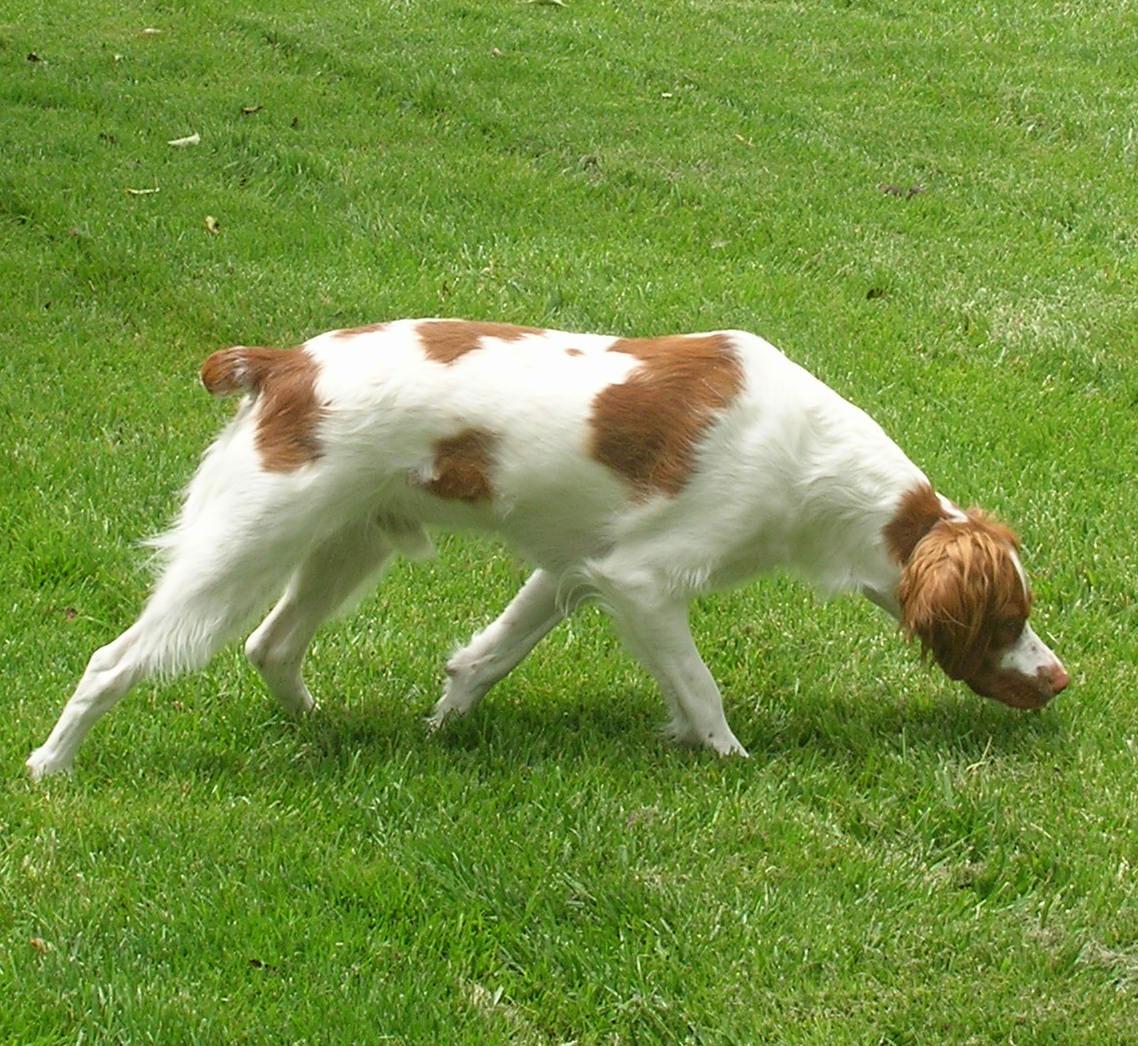
Brittany
The runner's dog — bird-hunt heritage means endless energy for outdoor families.
Traits at a glance
Cost calculator
Training tips for a Brittany
Practical, breed-specific advice tuned to a Brittany's temperament, energy and trainability.
House-Training Consistency
Establish a strict schedule with toilet breaks after meals, play, and sleep, and use a verbal correction ('Ah-ah!') if you catch accidents in progress, then immediately redirect outside. Their brightness means they'll connect the dots quickly if you're consistent and time your feedback within 2 seconds.
Early Socialisation Priority
Expose your Brittany to diverse people, dogs, and environments before 16 weeks, as their sensitive nature can develop into shyness if under-socialised. Use controlled introductions and let them approach new things at their pace while maintaining calm, confident leadership.
Exercise and Mental Drain
Provide at least 90 minutes daily of vigorous running, retrieving games, or scent work to satisfy their hunting drive—a tired Brittany is a trainable Brittany. Without adequate outlets, expect destructive behaviour and hyperactivity that no amount of training can fix.
Managing Bird Obsession
Interrupt fixation on birds or wildlife early with a firm 'Leave it' and a leash check if needed, then redirect to an approved activity like fetching. Their prey drive is genetic, so management through environmental control and well-timed interruption works better than expecting complete off-leash reliability.
Clear Boundaries Work
Their eagerness to please responds beautifully to clear communication—mark desired behaviour immediately with praise or play, and use calm, matter-of-fact corrections for unwanted behaviour. Avoid harsh methods with this sensitive breed, but don't mistake sensitivity for fragility; they need structure and fair guidance to thrive.
Training guides for a Brittany
Expert-written guides picked for a Brittany's temperament and needs.
How dogs actually learn: the four quadrants explained
Positive reinforcement, negative reinforcement, and everything in between — a clear, honest look at operant conditioning and when each tool is the right call.
Building a rock-solid recall
A reliable come-when-called can save your dog's life. Here's how to build one that holds up around real distractions.
Loose-lead walking: stop the pulling for good
Why your dog pulls, and a step-by-step plan using clear reinforcement to build a relaxed, no-tension walk.
Health & nutrition for a Brittany
What to watch for, how to feed, and how to keep a Brittany in top shape — tuned to this breed's size and build.
Common health concerns
- •Brittanys are prone to hip dysplasia, so monitor for limping, difficulty rising, or reluctance to jump, especially as they mature beyond two years of age.
- •This breed can develop epilepsy with seizures typically appearing between one to three years old; watch for sudden convulsions, paddling limbs, or loss of consciousness.
- •Hypothyroidism is common in Brittanys and presents as unexplained weight gain, lethargy, coat thinning, or skin issues despite adequate exercise and diet.
Feeding & nutrition
- •Feed a biologically-appropriate raw diet consisting of 2-3% of body weight daily (roughly 0.6-1.2 lbs for a 30-40 lb Brittany), with 80% raw muscle meat, 10% raw meaty bones like chicken necks or wings, and 10% organ meat including liver and kidney to fuel their exceptional energy demands.
- •Raw feeding supports joint health critical for this active breed by providing natural glucosamine from cartilage and bones, plus omega-3s from oily fish like sardines twice weekly to reduce inflammation and support cognitive function.
- •High-quality animal protein and fat from raw food maintains the Brittany's lean muscle mass and stamina for all-day hunting or running; divide into two meals to sustain energy without digestive overload.
- •If convenience absolutely requires it, choose a grain-free kibble with named meat as the first ingredient and feed approximately 1.5-2 cups daily, though this lacks the enzymatic and nutritional benefits of raw food for such an athletic breed.
Exercise & weight
- •Brittanys require 60-90 minutes of vigorous daily exercise including running, swimming, or retrieving games to prevent destructive behaviour and maintain mental health.
- •Incorporate off-lead field work, scent training, or agility several times weekly to satisfy their bird-dog instincts and prevent frustration or anxiety.
- •Ensure varied terrain during exercise to build strong joints and ligaments naturally, reducing hip dysplasia risk while burning their extreme energy reserves.
- •This breed thrives with an active outdoor lifestyle and will become neurotic or overweight if confined to short walks alone.
Educational guidance only — not veterinary advice. Always consult a licensed vet for your dog's specific health needs.
Ready to meet a Brittany?
Search animal shelters and rescues across Australia — and consider bringing a certified trainer to your first meet-and-greet.