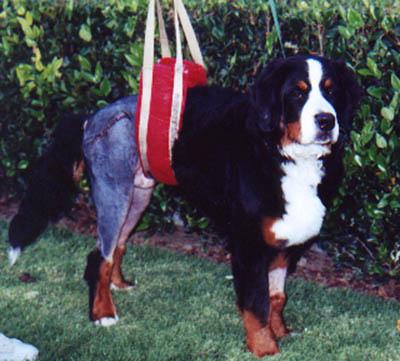
Bernese Mountain Dog
Big Swiss teddy bear — devoted, gentle giant with a heartbreakingly short life.
Traits at a glance
Cost calculator
Training tips for a Bernese Mountain Dog
Practical, breed-specific advice tuned to a Bernese Mountain Dog's temperament, energy and trainability.
House-Training Essentials
Establish a strict toilet schedule every 2-3 hours initially, taking your giant pup to the same spot and waiting silently until they go, then immediately offer enthusiastic praise and a game. If you catch an accident in progress, use a firm verbal interrupter and calmly move them outside to finish, cleaning indoor spots thoroughly with enzyme cleaner to remove scent markers.
Early Socialisation Priority
Expose your Berner to diverse people, dogs, environments, and surfaces during the critical 8-16 week window while they're still manageable size, ensuring experiences are calm and controlled. Their good-natured temperament makes them naturally social, but under-socialisation can lead to nervousness or difficulty handling their strength later, so prioritise quality exposures over quantity.
Moderate Exercise Strategy
Provide two 30-minute walks daily plus puzzle feeders or scent games indoors, avoiding high-impact exercise until skeletal maturity at 18-24 months to protect developing joints. Their moderate energy means they're content with mental work like learning new tricks or cart-pulling activities that honour their working heritage without over-exertion.
Managing Stubborn Strength
Address any pulling, jumping, or leaning behaviour immediately while they're young—use a well-timed leash correction paired with direction redirection when pulling starts, and immediately release pressure when they comply. Their strong, calm temperament can become quietly stubborn if they learn their size gets them what they want, so consistent boundaries matter more than repetitive treats.
Gentle but Clear
Train with a calm, matter-of-fact approach that matches their steady temperament—use clear markers for correct behaviour and neutral corrections for wrong choices, keeping sessions short and purposeful. Berners respond beautifully to fair leadership and can shut down with harshness or become disengaged with purely permissive handling, so aim for quiet confidence in all interactions.
Training guides for a Bernese Mountain Dog
Expert-written guides picked for a Bernese Mountain Dog's temperament and needs.
How dogs actually learn: the four quadrants explained
Positive reinforcement, negative reinforcement, and everything in between — a clear, honest look at operant conditioning and when each tool is the right call.
Separation anxiety: a realistic rehab plan
Barking, destruction and toileting when you leave? Here's how to tell true separation anxiety from boredom — and how to actually fix it.
Health & nutrition for a Bernese Mountain Dog
What to watch for, how to feed, and how to keep a Bernese Mountain Dog in top shape — tuned to this breed's size and build.
Common health concerns
- •Bernese Mountain Dogs are highly prone to various cancers including histiocytic sarcoma and mast cell tumours, which are the leading cause of their shortened lifespan—monitor for unexplained lumps, lethargy, or appetite loss.
- •Hip and elbow dysplasia are common in this giant breed due to rapid growth; watch for limping, difficulty rising, or reluctance to climb stairs, especially in young dogs.
- •Bloat (gastric dilatation-volvolvulus) is a life-threatening emergency in deep-chested giants—recognize symptoms like restlessness, unproductive retching, and a distended abdomen requiring immediate veterinary attention.
- •Progressive retinal atrophy and other eye conditions can occur; schedule regular veterinary eye examinations and watch for night blindness or cloudy eyes as your Berner ages.
Feeding & nutrition
- •Feed a biologically-appropriate raw diet with 2-3% of ideal body weight daily (roughly 1.4-2.3kg for a 70-115lb Berner), emphasizing raw meaty bones like beef ribs or lamb necks to support joint health and dental hygiene in this heavy-boned giant.
- •Include 10-15% organ meat (liver, kidney, heart) and 80% muscle meat from varied protein sources (beef, lamb, kangaroo) to provide anti-inflammatory omega-3s and antioxidants that may help combat cancer predisposition.
- •Feed two meals daily rather than one large meal to reduce bloat risk, and avoid vigorous exercise for at least one hour before and after raw feeding sessions.
- •If raw feeding isn't feasible, choose a high-quality large-breed kibble with glucosamine and controlled calcium levels (maximum 1.5%) to slow growth rate and protect developing joints, but recognize this is nutritionally inferior to species-appropriate raw food.
Exercise & weight
- •Provide moderate daily exercise of 60-90 minutes split into two sessions—brisk leashed walks and gentle hiking suit their working heritage without overstressing joints in this heavy-boned breed.
- •Avoid high-impact activities like jumping, jogging on hard surfaces, or repetitive ball-chasing during the first 18-24 months while growth plates are still developing to prevent dysplasia complications.
- •Incorporate mental stimulation through drafting, carting, or nosework activities that honour their historical hauling purpose and prevent obesity without excessive joint strain.
- •Monitor for overheating during exercise due to their thick double coat—opt for cooler morning or evening sessions and always provide water access to this heat-sensitive giant.
Educational guidance only — not veterinary advice. Always consult a licensed vet for your dog's specific health needs.
Ready to meet a Bernese Mountain Dog?
Search animal shelters and rescues across Australia — and consider bringing a certified trainer to your first meet-and-greet.