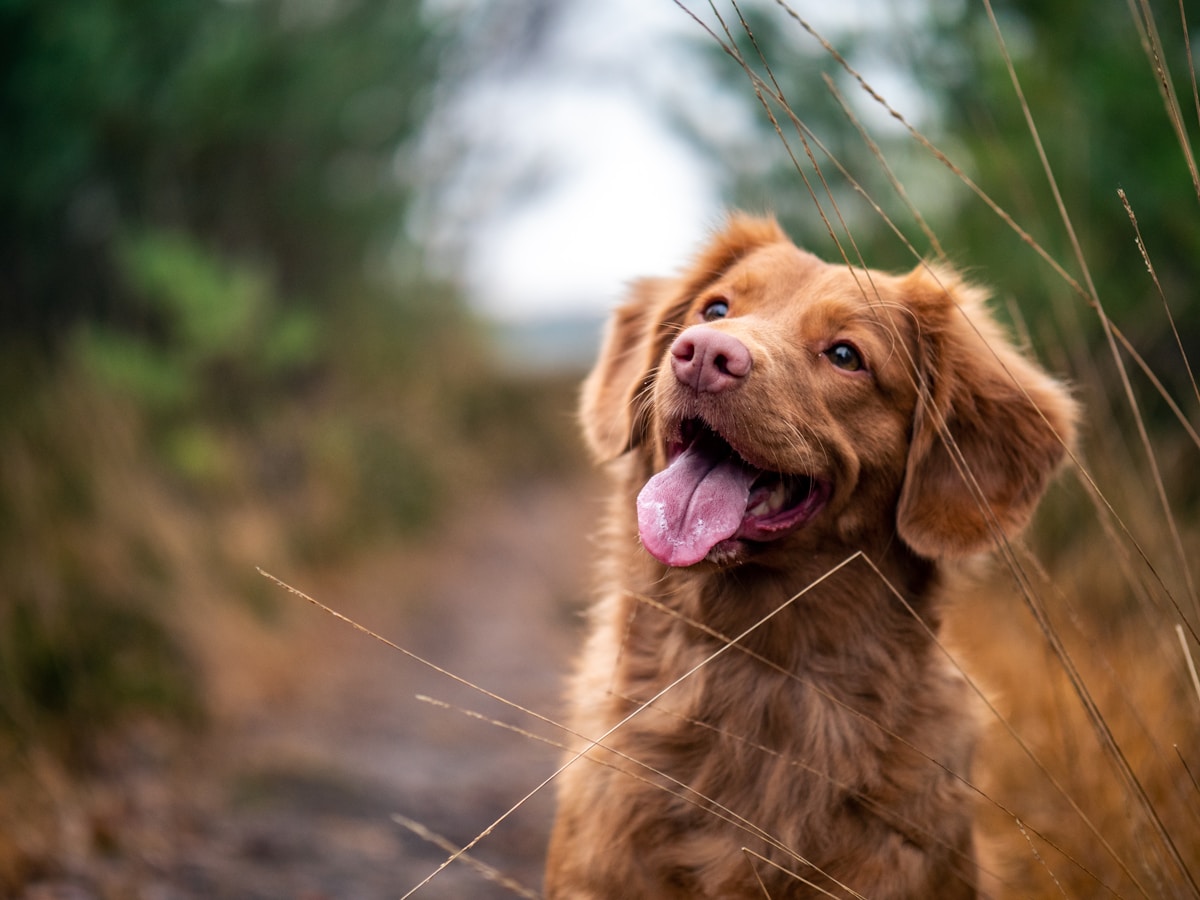
Bernedoodle
Bernese Mountain Dog + Standard Poodle. Bigger lifespan than pure Bernese, coat sheds less. Big, calm, cuddly. Best in cooler AU climates.
Traits at a glance
Cost calculator
Training tips for a Bernedoodle
Practical, breed-specific advice tuned to a Bernedoodle's temperament, energy and trainability.
House-Training Consistency
Establish a strict toilet schedule after meals, sleep, and play, then immediately escort your Bernedoodle outside. If an accident occurs indoors, interrupt calmly with a firm 'no' and redirect outside, rewarding only successful outdoor elimination.
Early Socialisation Priority
Expose your Bernedoodle puppy to varied people, dogs, and environments before 16 weeks, as their gentle nature can turn into shyness without early, positive experiences. Pair new encounters with treats and calm praise to build confidence.
Moderate Exercise Needs
Provide a daily 30-40 minute walk plus puzzle toys or scent games indoors, as their moderate energy suits mental stimulation over intense physical demands. Avoid over-exercising large-breed puppies to protect developing joints.
Managing Clinginess
Bernedoodles can become overly dependent and anxious when alone, so practice short departures from day one, ignoring attention-seeking whining and only greeting calmly when they're settled. Gradually extend alone time to build independence.
Gentle but Clear
Their soft temperament responds best to calm, clear communication—use well-timed verbal corrections for unwanted behaviour, then guide them to the correct action and mark success with treats or affection. Avoid harsh methods that will shut down their willing nature.
Training guides for a Bernedoodle
Expert-written guides picked for a Bernedoodle's temperament and needs.
Health & nutrition for a Bernedoodle
What to watch for, how to feed, and how to keep a Bernedoodle in top shape — tuned to this breed's size and build.
Common health concerns
- •Monitor for hip and elbow dysplasia common in large breeds, watching for limping, stiffness, or reluctance to climb stairs or jump.
- •Be alert to bloat (gastric dilatation-volvulus) due to deep chest structure; watch for restlessness, distended abdomen, and unproductive retching requiring immediate veterinary attention.
- •Screen for progressive retinal atrophy and other inherited eye conditions with regular veterinary eye examinations, especially given Poodle lineage.
Feeding & nutrition
- •Feed a biologically-appropriate raw diet consisting of 2-3% of body weight daily (approximately 450-900g for a 50-90 lb Bernedoodle), including 70-80% raw muscle meat, 10% raw meaty bones like chicken necks or lamb ribs, and 5-10% organ meat with half being liver.
- •Divide raw meals into two feedings daily to reduce bloat risk in this deep-chested breed, and avoid exercise one hour before and after meals.
- •Raw feeding supports joint health through natural glucosamine from cartilage and reduces inflammation that can exacerbate dysplasia in large breeds like Bernedoodles.
- •If convenience absolutely requires kibble, choose a large-breed formula with quality named meat proteins and feed approximately 3-4 cups daily, though this lacks the enzymatic and nutritional benefits of species-appropriate raw food.
Exercise & weight
- •Provide 45-60 minutes of moderate daily exercise such as leash walks, swimming, or gentle hiking to maintain healthy weight without stressing developing joints in young dogs.
- •Incorporate mental stimulation through puzzle toys, scent work, or training sessions to satisfy the Poodle intelligence while respecting the calmer Bernese temperament.
- •Exercise during cooler parts of the day in Australian climates, as Bernedoodles overheat easily due to their thick coat and preference for cooler temperatures.
Educational guidance only — not veterinary advice. Always consult a licensed vet for your dog's specific health needs.
Ready to meet a Bernedoodle?
Search animal shelters and rescues across Australia — and consider bringing a certified trainer to your first meet-and-greet.