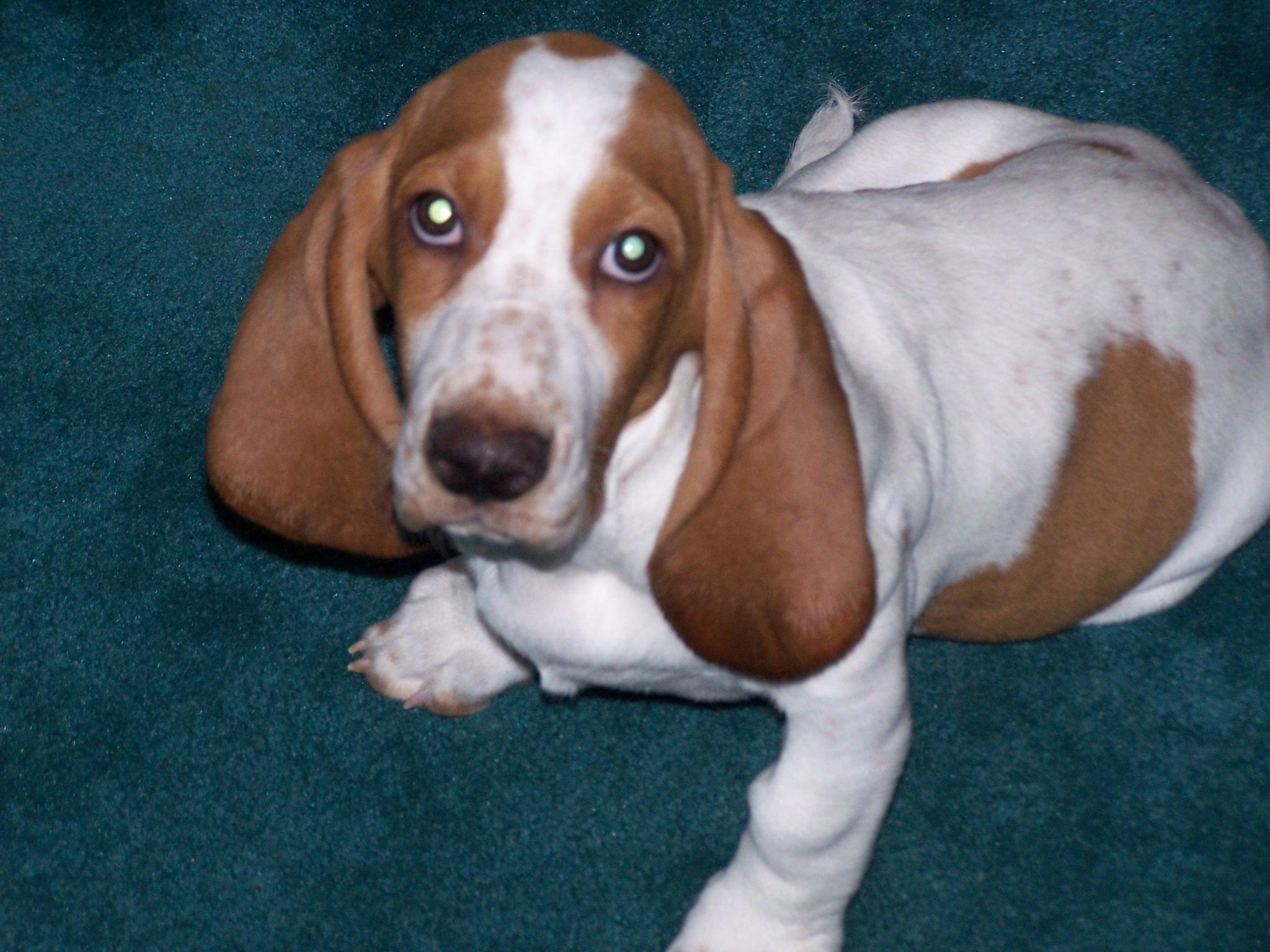
Basset Hound
Long-eared low-rider — mellow, stubborn, and hopelessly devoted to smells.
Traits at a glance
Cost calculator
Training tips for a Basset Hound
Practical, breed-specific advice tuned to a Basset Hound's temperament, energy and trainability.
House-Training Consistency
Take your Basset out immediately after meals and naps to the same spot, and use a verbal marker the moment they toilet, then bring them straight inside. If you catch an accident in progress, use a firm verbal interruption and move them outside immediately to finish.
Early Socialisation Priority
Expose your Basset to children, other dogs, and various environments during the critical period before 16 weeks, as their easygoing nature makes this straightforward. Focus on calm, controlled introductions rather than overwhelming excitement to reinforce their naturally patient temperament.
Scent-Work Enrichment
Harness their powerful nose with daily scent trails or hide-and-seek games using treats or toys around the yard, as mental stimulation through scent work will tire them more effectively than extended physical exercise. Two moderate 20-minute sniffy walks beat one long, fast-paced march.
Managing Vocal Behaviour
Interrupt baying or excessive barking with a calm 'enough' command, then redirect to a quiet activity and acknowledge when they settle. Don't inadvertently reinforce the noise by giving attention or treats while they're vocalising, only when silence resumes.
Stubborn-Proof Training
Keep sessions short and make compliance non-negotiable by calmly persisting until they follow through on a command, then release with calm praise. Their low trainability stems from scent-drive and stubbornness, so gentle physical guidance paired with well-timed verbal markers works better than hoping repetition alone will win them over.
Training guides for a Basset Hound
Expert-written guides picked for a Basset Hound's temperament and needs.
How dogs actually learn: the four quadrants explained
Positive reinforcement, negative reinforcement, and everything in between — a clear, honest look at operant conditioning and when each tool is the right call.
Lead reactivity: calming the lunging and barking
The lunging, barking dog on-lead is usually frightened, not 'dominant'. Here's how to lower the emotion and change the response.
Health & nutrition for a Basset Hound
What to watch for, how to feed, and how to keep a Basset Hound in top shape — tuned to this breed's size and build.
Common health concerns
- •Basset Hounds are prone to obesity due to their low energy levels and love of food, so monitor body condition closely and avoid overfeeding to prevent joint strain on their long backs.
- •Their distinctive long ears require regular cleaning to prevent chronic ear infections, particularly when fed a raw diet which supports better immune function and reduced inflammation.
- •This breed commonly suffers from intervertebral disc disease (IVDD) and hip dysplasia, so maintaining lean body weight through proper nutrition is critical to reduce spinal and joint stress.
- •Bloat (gastric dilatation-volvulus) can occur in deep-chested Bassets, so feed smaller raw meals twice daily rather than one large meal and avoid vigorous exercise immediately after eating.
Feeding & nutrition
- •Feed a biologically-appropriate raw diet consisting of 2-3% of body weight daily (approximately 0.8-1.9 lbs for a 40-65 lb Basset), divided into two meals with 70-80% raw muscle meat, 10% raw meaty bones like chicken necks or wings, and 10% organ meat including liver.
- •Raw feeding helps maintain ideal lean body condition in this obesity-prone breed while supporting joint health through natural anti-inflammatory benefits and bioavailable nutrients absent in processed kibble.
- •Offer weight-bearing recreational bones like beef marrow bones for dental health and mental stimulation, but avoid cooked bones which splinter dangerously.
- •If raw feeding isn't feasible, select a high-protein, low-carbohydrate kibble and feed strictly measured portions (2-3 cups daily depending on weight and activity), though this remains nutritionally inferior to species-appropriate raw food.
Exercise & weight
- •Basset Hounds need 30-60 minutes of daily moderate exercise such as leisurely walks or scent-tracking games to prevent obesity, but avoid high-impact activities that stress their long spines and short legs.
- •Break exercise into two or three shorter sessions rather than one long walk, as their heavy bone structure and low-slung build tires more quickly than other medium breeds.
- •Engage their powerful scenting instincts with nose work or scent trails in safe enclosed areas, which provides mental stimulation without excessive physical strain on joints and back.
- •Monitor closely for fatigue and never allow them to jump from heights or navigate stairs excessively, as their long backs are vulnerable to disc injury even at healthy weights.
Educational guidance only — not veterinary advice. Always consult a licensed vet for your dog's specific health needs.
Ready to meet a Basset Hound?
Search animal shelters and rescues across Australia — and consider bringing a certified trainer to your first meet-and-greet.