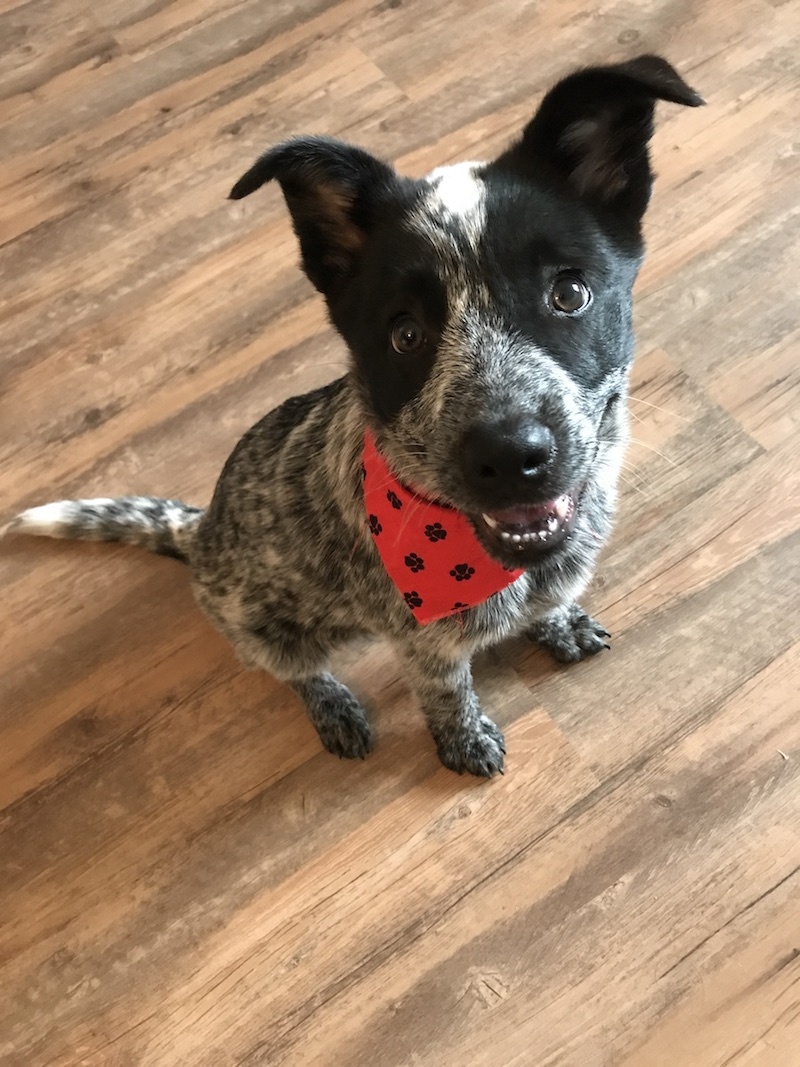
Australian Cattle Dog
Tough Aussie herder — needs a job, a yard, and an owner who never runs out of energy.
Traits at a glance
Cost calculator
Training tips for a Australian Cattle Dog
Practical, breed-specific advice tuned to a Australian Cattle Dog's temperament, energy and trainability.
House-Training Consistency
Establish a rigid routine with frequent toilet breaks and immediately interrupt accidents with a firm verbal marker, then redirect outside. This intelligent breed learns patterns quickly when consequences are clear and consistent.
Early Socialisation Critical
Expose your Cattle Dog to children, strangers, and other animals before 16 weeks, correcting any nipping or herding attempts with a quick leash check and redirect to appropriate play. Their herding instinct can become problematic if not shaped early.
Intense Exercise Daily
Provide at least 90 minutes of vigorous activity plus problem-solving games like scent work or puzzle feeders. A bored Cattle Dog will create their own destructive entertainment.
Manage Nipping Behaviour
Watch for heel-nipping during play or movement, especially with children. Immediately halt the interaction with a time-out when nipping occurs, teaching that herding people ends all fun.
Firm Leadership Approach
This breed respects clear boundaries and fair consequences more than coddling. Use direct communication, well-timed corrections for unwanted behaviour, and reward compliance to establish yourself as a capable handler.
Training guides for a Australian Cattle Dog
Expert-written guides picked for a Australian Cattle Dog's temperament and needs.
How dogs actually learn: the four quadrants explained
Positive reinforcement, negative reinforcement, and everything in between — a clear, honest look at operant conditioning and when each tool is the right call.
Building a rock-solid recall
A reliable come-when-called can save your dog's life. Here's how to build one that holds up around real distractions.
Loose-lead walking: stop the pulling for good
Why your dog pulls, and a step-by-step plan using clear reinforcement to build a relaxed, no-tension walk.
Health & nutrition for a Australian Cattle Dog
What to watch for, how to feed, and how to keep a Australian Cattle Dog in top shape — tuned to this breed's size and build.
Common health concerns
- •Australian Cattle Dogs are genetically prone to progressive retinal atrophy and primary lens luxation, so monitor for vision changes, eye cloudiness, or signs of pain and schedule annual veterinary eye examinations.
- •Hip dysplasia and elbow dysplasia occur in the breed, so watch for limping, difficulty rising, or reluctance to jump, and maintain lean body condition to reduce joint stress throughout their active life.
- •Congenital deafness affects some Australian Cattle Dogs, particularly those with excessive white markings, so test puppies early and watch for lack of response to sounds or commands.
- •Portosystemic shunt is a hereditary liver disorder in the breed that causes neurological symptoms, stunted growth, and digestive upset, requiring vigilance during puppyhood and appropriate raw nutrition to support liver function.
Feeding & nutrition
- •Feed Australian Cattle Dogs a biologically-appropriate raw diet consisting of 70-80% raw muscle meat (beef, lamb, kangaroo), 10% edible raw meaty bones (chicken necks, brisket bones), 5-10% organ meat (liver, kidney), and 5-10% vegetables, totaling approximately 2-3% of their ideal body weight daily (roughly 450-750g for a 35-50 lb dog).
- •Raw meaty bones are essential for this breed's strong jaws and dental health—offer recreational bones like lamb necks or beef marrow bones 2-3 times weekly to satisfy their natural chewing instincts and prevent tartar buildup.
- •Divide daily raw portions into two meals to maintain stable energy for their high activity levels, and include omega-3 rich proteins like sardines or wild-caught fish twice weekly to support joint health and reduce inflammation risk.
- •If raw feeding is temporarily impractical, choose a high-protein, grain-free kibble as a short-term fallback, but recognise that processed food lacks the enzymes, moisture, and bioavailable nutrients this athletic working breed needs for optimal health and longevity.
Exercise & weight
- •Australian Cattle Dogs require a minimum of 90-120 minutes of vigorous daily exercise including running, herding activities, or high-intensity play to prevent destructive behaviour and maintain mental stability.
- •Engage this breed in structured work or dog sports like agility, flyball, herding trials, or advanced obedience training to satisfy their innate need for a job and prevent boredom-related behavioural problems.
- •Incorporate varied terrain such as hills, trails, and off-leash running in secure areas to build muscle, maintain healthy joints, and prevent the obesity that exacerbates hip and elbow dysplasia in the breed.
- •Provide daily mental stimulation through puzzle toys, scent work, or trick training alongside physical exercise, as mental exhaustion is equally important for this intelligent, problem-solving breed to remain balanced and content.
Educational guidance only — not veterinary advice. Always consult a licensed vet for your dog's specific health needs.
Ready to meet a Australian Cattle Dog?
Search animal shelters and rescues across Australia — and consider bringing a certified trainer to your first meet-and-greet.