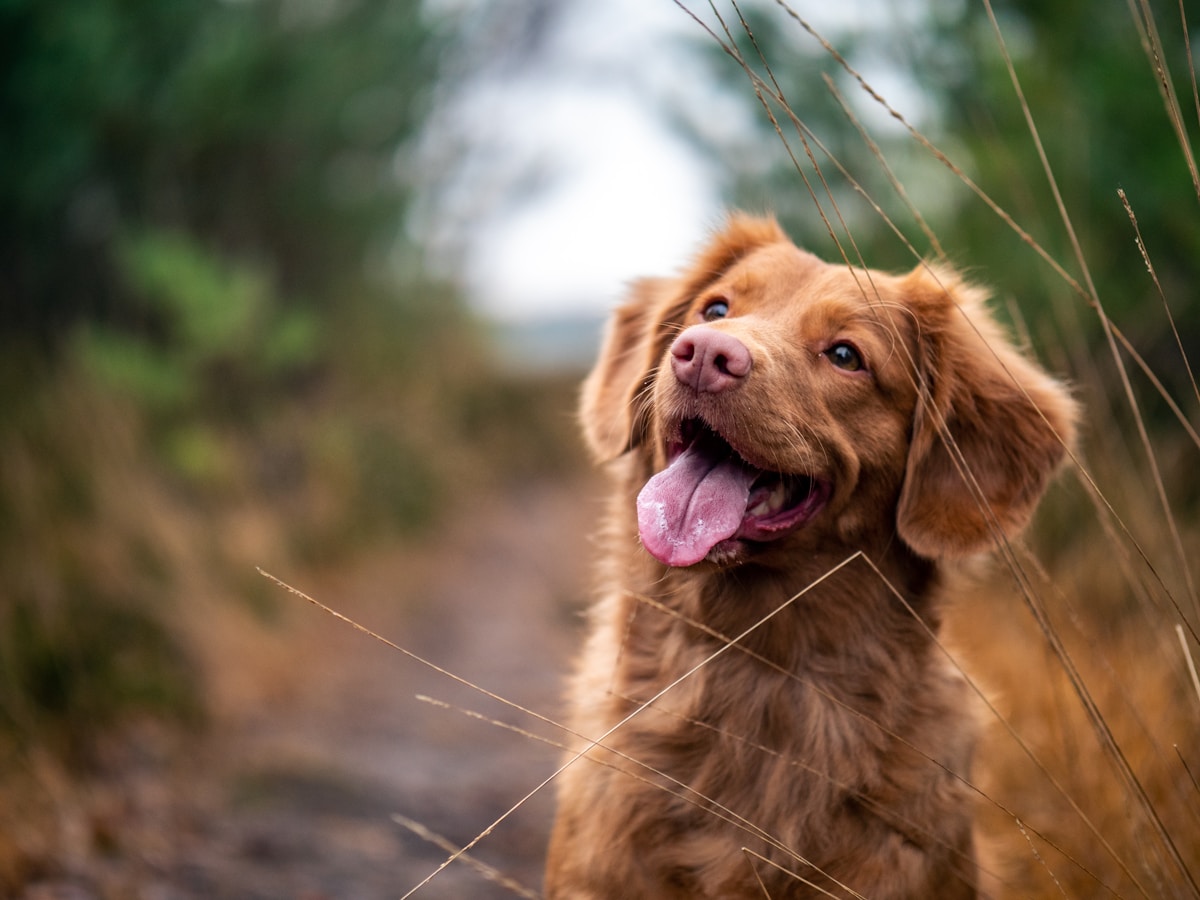
Aussiedoodle
Australian Shepherd + Poodle. Whip-smart with the Aussie's herding instinct and Poodle's low-shed coat. Needs daily mental work — not a lounge dog.
Traits at a glance
Cost calculator
Training tips for a Aussiedoodle
Practical, breed-specific advice tuned to a Aussiedoodle's temperament, energy and trainability.
House-Training Consistency
Establish a strict toilet schedule every 2-3 hours and immediately after meals. If you catch an accident in progress, use a firm verbal interrupter and calmly move the pup outside to finish, then praise calmly when they go in the right spot.
Early Socialisation Priority
Expose your Aussiedoodle to diverse people, dogs, and environments before 16 weeks, as their herding instinct can make them wary or reactive if under-socialised. Pair new experiences with calm praise and allow natural curiosity to build confidence.
Daily Mental Workouts
Provide at least 45 minutes of combined physical exercise and problem-solving tasks like scent work, trick training, or puzzle toys daily. A bored Aussiedoodle will create their own destructive entertainment, so tire the brain as much as the body.
Manage Herding Behaviours
Watch for nipping at heels or chasing children and bikes—interrupt immediately with a calm but firm 'no' and redirect to an appropriate toy or task. Teach a solid 'leave it' and reward heavily when they disengage from movement.
Clear Leadership Structure
This breed thrives when you set non-negotiable boundaries early and enforce them consistently with well-timed corrections and praise for compliance. Their eagerness to please means they learn fast, but they'll also test rules if you're unclear or inconsistent.
Training guides for a Aussiedoodle
Expert-written guides picked for a Aussiedoodle's temperament and needs.
How dogs actually learn: the four quadrants explained
Positive reinforcement, negative reinforcement, and everything in between — a clear, honest look at operant conditioning and when each tool is the right call.
Building a rock-solid recall
A reliable come-when-called can save your dog's life. Here's how to build one that holds up around real distractions.
Loose-lead walking: stop the pulling for good
Why your dog pulls, and a step-by-step plan using clear reinforcement to build a relaxed, no-tension walk.
Health & nutrition for a Aussiedoodle
What to watch for, how to feed, and how to keep a Aussiedoodle in top shape — tuned to this breed's size and build.
Common health concerns
- •Monitor for hip dysplasia inherited from both parent breeds, watching for limping, difficulty rising, or reduced activity levels as they mature.
- •Be vigilant for progressive retinal atrophy (PRA) and other eye conditions common in Poodles and Australian Shepherds; schedule annual veterinary eye examinations.
- •Watch for signs of sebaceous adenitis (skin inflammation affecting Poodles) including hair loss, scaling, or a musty odour on the skin.
- •Aussiedoodles can inherit sensitivity to certain medications (MDR1 gene mutation from Aussie lines), so discuss genetic testing with your vet before administering ivermectin-based treatments.
Feeding & nutrition
- •Feed a biologically-appropriate raw diet consisting of 2-3% of body weight daily: 70-80% raw muscle meat (kangaroo, beef, lamb), 10% raw meaty bones (chicken necks, wings), 5-10% organ meat (liver, kidney), plus seasonal vegetables for this active, medium-sized breed.
- •Raw feeding supports joint health, reduces inflammation risk, and maintains the lean muscle mass essential for this energetic herding-cross; aim for 500-1400 calories daily depending on individual weight and activity level.
- •Include omega-3 rich proteins like sardines or wild-caught fish twice weekly to support coat quality, cognitive function, and reduce potential joint inflammation as they age.
- •If convenience absolutely requires commercial food, choose a high-protein, grain-free kibble as a lesser alternative, but understand it lacks the bioavailable nutrients, enzymes, and dental benefits of species-appropriate raw feeding.
Exercise & weight
- •Provide 60-90 minutes of vigorous daily exercise including running, hiking, or swimming to satisfy the high energy levels inherited from both working breeds.
- •Incorporate mental stimulation daily through puzzle toys, scent work, agility training, or herding games to prevent destructive boredom behaviours in this highly intelligent cross.
- •Engage in structured activities like fetch, frisbee, or dog sports rather than just passive walks to properly tire this breed physically and mentally.
- •Begin low-impact exercise early and maintain consistent activity throughout life to prevent obesity (which exacerbates hip dysplasia) while protecting developing joints in puppies under 12 months.
Educational guidance only — not veterinary advice. Always consult a licensed vet for your dog's specific health needs.
Ready to meet a Aussiedoodle?
Search animal shelters and rescues across Australia — and consider bringing a certified trainer to your first meet-and-greet.