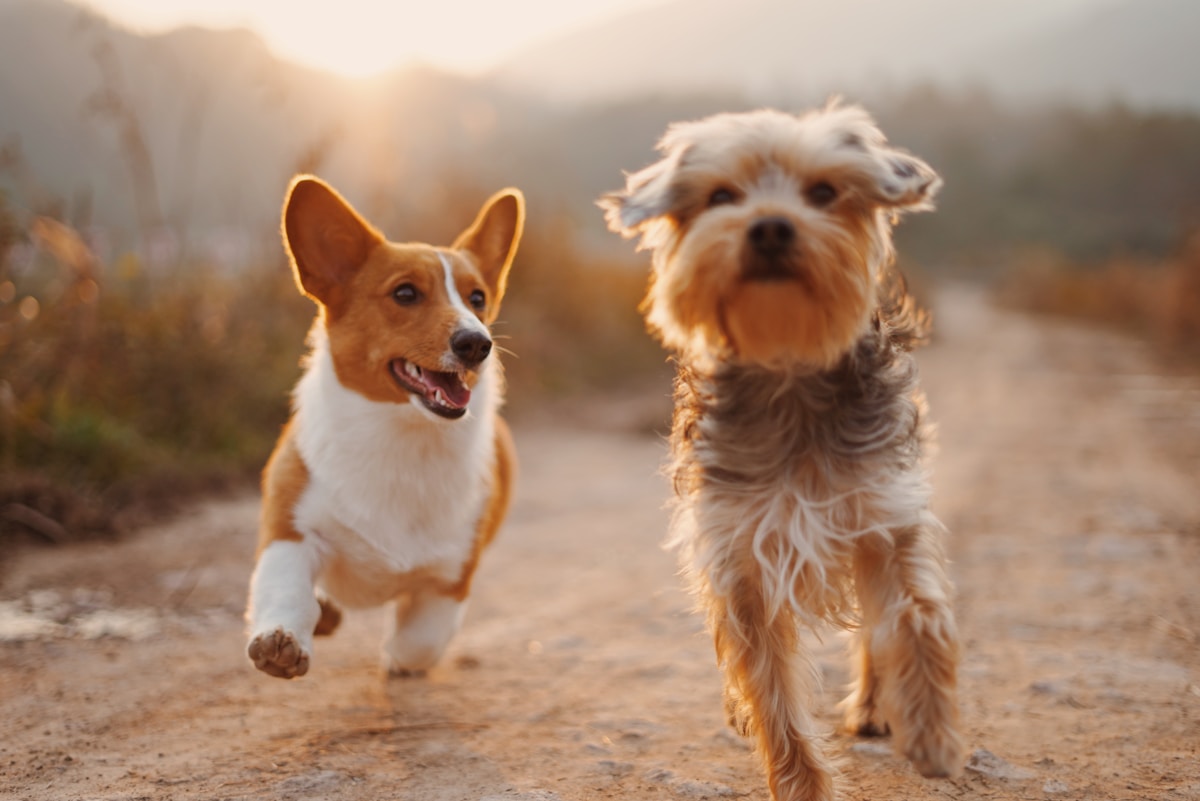
Anatolian Shepherd
Livestock guardian bred to think for itself. Excellent for rural properties with sheep or alpacas; entirely unsuited to urban life.
Traits at a glance
Cost calculator
Training tips for a Anatolian Shepherd
Practical, breed-specific advice tuned to a Anatolian Shepherd's temperament, energy and trainability.
House-Training Routine
Establish a strict schedule with frequent outdoor access and use a firm verbal correction if you catch them mid-act indoors, then immediately guide them outside to finish and calmly praise completion in the correct spot.
Early Socialisation Protocol
Expose your Anatolian to diverse people, animals, and environments before 16 weeks while closely supervising; use leash pressure and calm verbal boundaries to interrupt any inappropriate guarding or suspicion, rewarding calm acceptance of strangers.
Exercise and Enrichment
Provide daily perimeter patrol opportunities on your property and introduce novel scents or objects to investigate; avoid repetitive fetch games as these independent thinkers need purposeful activity that mimics guardian work.
Managing Territorial Guarding
Teach a reliable recall and boundary command early using leash guidance and consequences for ignoring you; interrupt excessive alert barking or fence-charging with a well-timed verbal correction, then redirect to a calm position you control.
Respect-Based Leadership
Establish clear rules consistently from day one and follow through with calm, fair corrections when this independent breed tests boundaries; earn their cooperation through competent handling rather than trying to befriend your way to obedience.
Training guides for a Anatolian Shepherd
Expert-written guides picked for a Anatolian Shepherd's temperament and needs.
How dogs actually learn: the four quadrants explained
Positive reinforcement, negative reinforcement, and everything in between — a clear, honest look at operant conditioning and when each tool is the right call.
Lead reactivity: calming the lunging and barking
The lunging, barking dog on-lead is usually frightened, not 'dominant'. Here's how to lower the emotion and change the response.
Resource guarding: teaching your dog to trust you near their stuff
Growling over food, toys or the couch is normal dog behaviour — and very fixable. Here's how to build trust instead of conflict.
Health & nutrition for a Anatolian Shepherd
What to watch for, how to feed, and how to keep a Anatolian Shepherd in top shape — tuned to this breed's size and build.
Common health concerns
- •Anatolian Shepherds are prone to hip and elbow dysplasia, so monitor for limping, difficulty rising, or reluctance to jump, especially as they mature.
- •Bloat (gastric dilatation-volvulus) is a serious risk in this deep-chested giant breed; watch for restlessness, unproductive retching, or distended abdomen and seek emergency care immediately.
- •Hypothyroidism can occur in the breed, presenting as weight gain, lethargy, or coat changes; regular veterinary thyroid screening is advisable.
- •As a giant breed, they may experience entropion (eyelid rolling inward) causing eye irritation and require surgical correction if chronic tearing or squinting develops.
Feeding & nutrition
- •Feed a biologically-appropriate raw diet of 2-3% of body weight daily (2.4-4.5 lbs for an 80-150 lb Anatolian), comprising 70-80% raw muscle meat (beef, lamb, kangaroo), 10% raw meaty bones (chicken frames, lamb necks), and 10% organ meat (liver, kidney) to support joint health and lean muscle mass.
- •Raw feeding is ideal for this working guardian breed, providing natural enzymes and nutrients that support their active lifestyle and reduce inflammatory joint conditions common in giant breeds.
- •Split raw meals into two feedings daily to minimize bloat risk, and avoid vigorous exercise one hour before and two hours after eating.
- •If raw feeding is temporarily impractical, choose a high-quality, grain-free kibble formulated for giant breeds (4-6 cups daily depending on weight and activity), though this lacks the digestive and joint benefits of raw food.
Exercise & weight
- •Provide 1-2 hours of daily exercise including long walks and free roaming in a secure, large rural property where they can patrol and fulfill their guarding instincts.
- •Avoid repetitive high-impact exercise (jumping, agility) until skeletal maturity at 18-24 months to protect developing joints in this giant breed.
- •Mental stimulation through independent problem-solving tasks and territory patrol is as important as physical exercise for this intelligent, independent breed.
- •Maintain consistent daily activity to prevent obesity, which significantly increases risk of hip dysplasia and joint deterioration in giant breeds.
Educational guidance only — not veterinary advice. Always consult a licensed vet for your dog's specific health needs.
Ready to meet a Anatolian Shepherd?
Search animal shelters and rescues across Australia — and consider bringing a certified trainer to your first meet-and-greet.