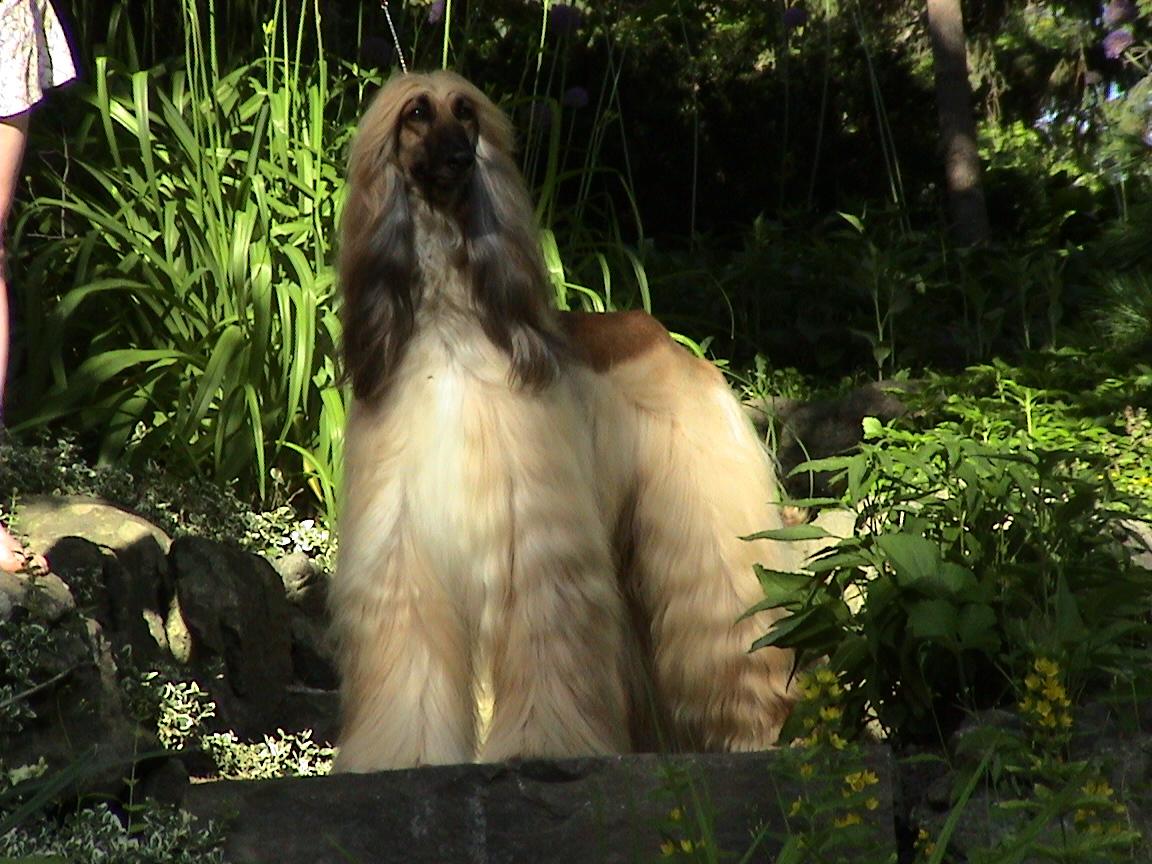
Afghan Hound
Fashion-model beauty with a mind of its own — high grooming, low compliance.
Traits at a glance
Cost calculator
Training tips for a Afghan Hound
Practical, breed-specific advice tuned to a Afghan Hound's temperament, energy and trainability.
House-Training Consistency
Establish a strict toilet schedule and supervise closely indoors, as Afghans are slow to signal their needs. If an accident occurs, interrupt with a firm verbal marker and immediately take them outside, then praise calmly when they finish in the correct spot.
Early Socialisation Priority
Expose your Afghan to diverse people, dogs, and environments before 16 weeks, as their aloof nature can harden into fearfulness. Use calm handling and allow them to observe at their own pace rather than forcing interaction.
Exercise and Enrichment
Provide daily free running in a secure area plus scent games or lure coursing, as sight hounds need short bursts of speed and mental challenge. Leash walks alone won't satisfy their hunting drive or prevent boredom-related mischief.
Managing Selective Hearing
Afghan Hounds ignore commands they find irrelevant, so keep sessions short and use high-value motivation paired with a long line for recalls. Apply a gentle leash prompt when they disengage, then release pressure the instant they respond.
Patience and Clarity
Train with calm persistence and clear consequences—Afghans respect fair boundaries but shut down under harsh handling or repetitive drills. Mark desired behaviour immediately and correct wandering attention with a quick leash check, then resume calmly.
Training guides for a Afghan Hound
Expert-written guides picked for a Afghan Hound's temperament and needs.
How dogs actually learn: the four quadrants explained
Positive reinforcement, negative reinforcement, and everything in between — a clear, honest look at operant conditioning and when each tool is the right call.
Lead reactivity: calming the lunging and barking
The lunging, barking dog on-lead is usually frightened, not 'dominant'. Here's how to lower the emotion and change the response.
Resource guarding: teaching your dog to trust you near their stuff
Growling over food, toys or the couch is normal dog behaviour — and very fixable. Here's how to build trust instead of conflict.
Health & nutrition for a Afghan Hound
What to watch for, how to feed, and how to keep a Afghan Hound in top shape — tuned to this breed's size and build.
Common health concerns
- •Afghan Hounds are predisposed to bloat (gastric dilatation-volvulus), so monitor for restlessness, unproductive retching, and distended abdomen especially after meals.
- •This breed commonly develops hip dysplasia and thyroid disorders, so watch for limping, difficulty rising, weight gain, or coat deterioration.
- •Cataracts and retinal issues occur frequently in Afghans, requiring regular eye examinations to catch vision problems early.
- •Their deep chest and low body fat make them sensitive to anaesthesia, which owners should communicate to veterinarians before any procedures.
Feeding & nutrition
- •Feed Afghan Hounds a raw BARF diet comprising 2-3% of body weight daily (roughly 450-650g for a 50-60 lb dog), including 70% raw muscle meat, 10% edible bone like chicken necks or frames, 10% organ meat (half being liver), and 10% vegetables.
- •Offer appropriately-sized raw meaty bones such as lamb necks or kangaroo tails 2-3 times weekly to maintain their dental health and satisfy their natural chewing instinct.
- •Split daily raw portions into two meals to reduce bloat risk in this deep-chested breed, and avoid vigorous exercise one hour before and two hours after feeding.
- •If convenience absolutely requires kibble, choose a large-breed formula with named meat as the first ingredient and feed approximately 3-4 cups daily, though this remains nutritionally inferior to species-appropriate raw food.
Exercise & weight
- •Provide 1-2 hours of daily exercise including at least one opportunity for full-speed running in a securely fenced area, as Afghan Hounds have strong prey drive and sighthound sprinting needs.
- •Incorporate daily leashed walks of 30-45 minutes, but never trust this independent breed off-lead in unfenced areas due to their instinct to chase.
- •Engage their athletic build with lure coursing or safe sprint sessions to prevent obesity and maintain muscle tone without stressing developing joints in dogs under 18 months.
- •Balance their moderate energy level with mental stimulation through scent games, as bored Afghans become destructive despite their dignified appearance.
Educational guidance only — not veterinary advice. Always consult a licensed vet for your dog's specific health needs.
Ready to meet a Afghan Hound?
Search animal shelters and rescues across Australia — and consider bringing a certified trainer to your first meet-and-greet.